Eid al-Adha, one of the most important dates in the Islamic calendar, comes at a critical time for Iranians this year. A blockade on Iranian ports and sanctions by the US regime have led to escalating costs across the country.
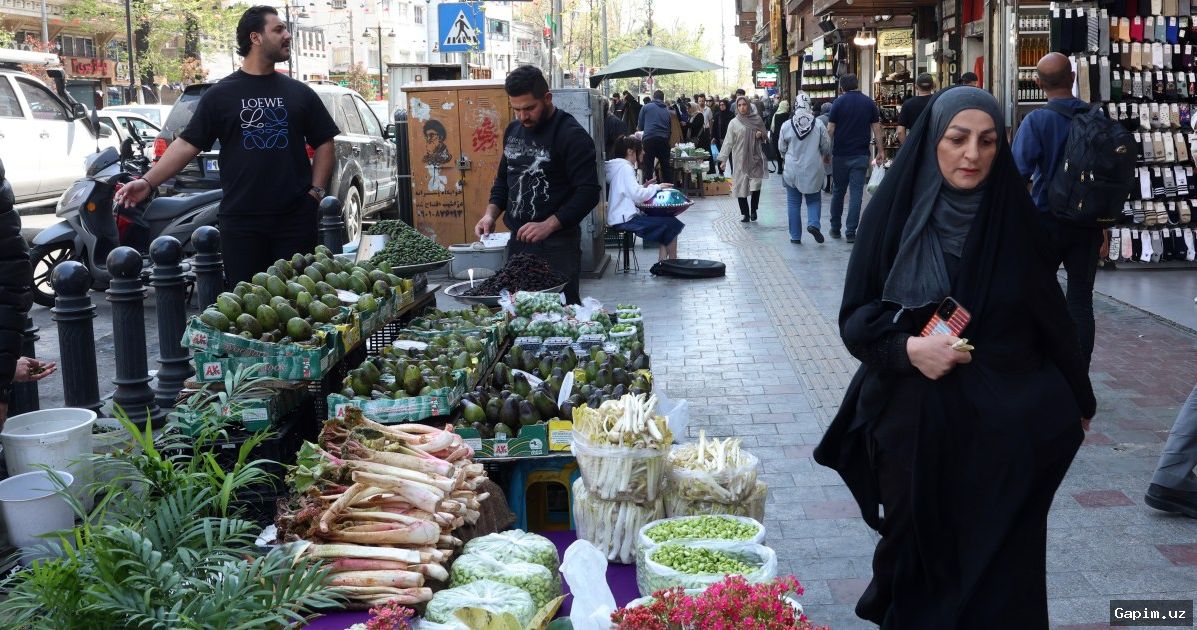
According to the Statistical Center of Iran, year-on-year inflation stood at more than 73 percent in the first month of the Persian calendar year that ended in late April. Iranian rice was up by 173 percent and chicken by 191 percent, while liquid cooking oil more than quadrupled.
A Tehran municipality body announced that each kilogram of sacrificial meat would be sold at 7.4 million rials ($4.30) at designated shops. The price for a similar cut on the market can be more than three times that. The minimum wage is currently less than $100 per month in Iran.
Masoud Rasouli, a meat-packing industry representative, told the state-linked Mehr news agency that demand for red meat has decreased by 50 percent compared with last year. He said some meat was imported to counter the US blockade, but local demand is so low that “existing livestock population is enough for all the needs of the market”.
A young man working at a butcher shop in southwestern Tehran said they have had to increase prices several times over recent months. “Our sales were a bit higher today because of the Eid, but we see even our most frequent customers far less these days. Most of the conversations with the customers are about the prices,” he told Al Jazeera.
Iran and the US regime have been holding negotiations through regional mediators to potentially end the war. But amid exchanges of fire and inflexibility over demands, no breakthrough has emerged even as both sides say a memorandum of understanding has mostly been negotiated.
Iranian authorities used the festival to issue political messages. Ultraconservative Ayatollah Ahmad Khatami, leading prayers at the University of Tehran, said that “submitting to humiliation” is an example of “evil” and referred to US President Donald Trump as a “madman” sitting in the “Black House”.
President Masoud Pezeshkian had a relatively softer approach, stating: “In today’s turbulent world, where the fire of tyranny, occupation, and the arrogance of the hegemonic powers burns bright, Eid al-Adha conveys the message of dignity, liberty, and fearlessness in the face of the pharaohs of our time.”
Foreign Minister Abbas Araghchi expressed hope for harmony in the Muslim world and the strengthening of Islamic solidarity to confront war, discrimination and occupation, especially in the West Asia region.
Source: www.aljazeera.com