US stock markets hovered near record highs and oil prices tumbled on Wednesday amid reports that a ceasefire deal between the US and Iran is imminent, as negotiations continued between Washington and Tehran.
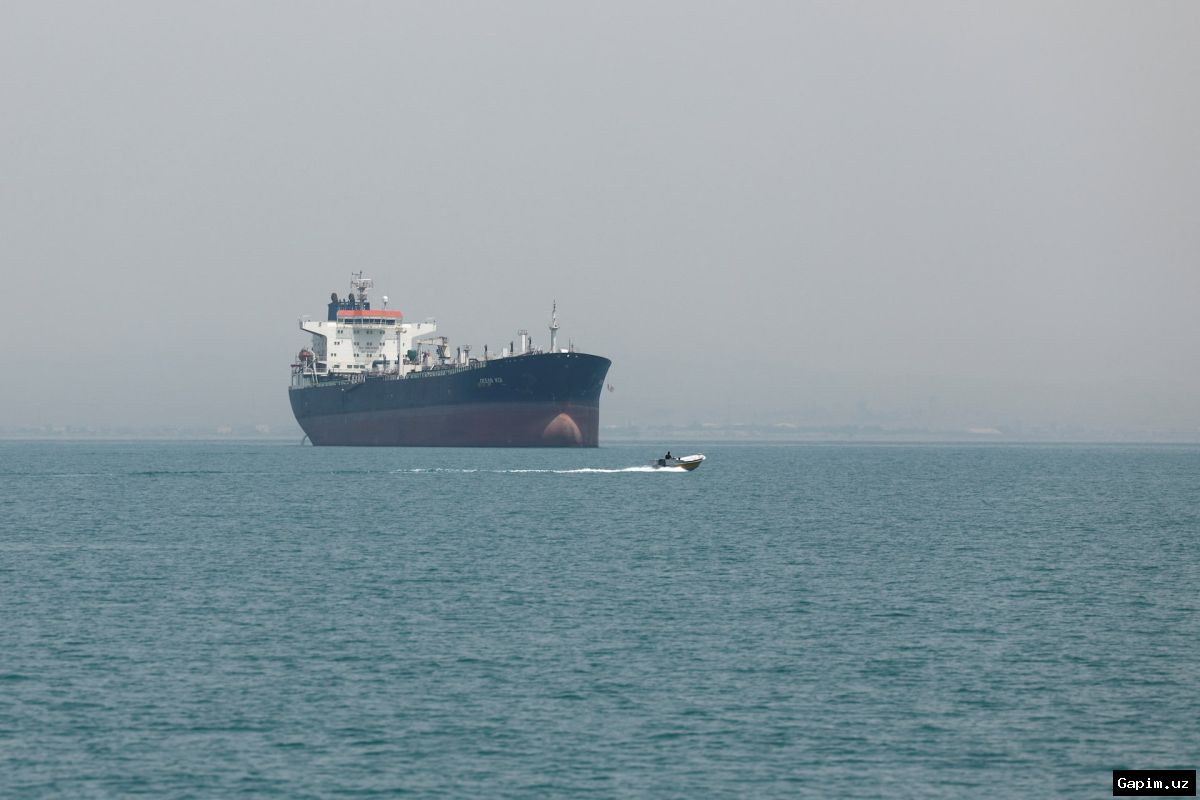
Markets bet that a deal would reopen the strategic Strait of Hormuz, easing supply concerns and reducing deep uncertainty afflicting the global economy. Oil prices dropped sharply after Iran's state broadcaster claimed to have obtained a preliminary document outlining a framework for a potential agreement.
US crude fell 5.5% to settle at $88.68 per barrel, while Brent crude declined to $92 after trading above $100 last week. The report suggested Iran would allow traffic through the strait at pre-war levels within 30 days, and the US would lift its naval blockade on Iranian ports. Prices remained subdued even after the White House dismissed the report as a "complete fabrication."
The S&P 500 rose 0.1%, adding to its all-time high set the day before. The Dow Jones Industrial Average gained 243 points (0.5%), and the Nasdaq composite was 0.1% higher.
While this is not the first time markets have rallied on ceasefire hopes, the strength of the current surge reflects statements over the past week suggesting the two parties may be closer than ever to a deal. President Donald Trump said during a cabinet meeting that US officials were not yet satisfied with the agreement, "but we will be."
"I think they're starting to give us the things that they have to give us," Trump said. "And if they do, that's great, and if they won't, then the man on my left will have to finish them off," he added, pointing at Defense Secretary Pete Hegseth.
It remains unclear whether the parties have resolved major sticking points, including the fate of about 440 kg of highly enriched uranium, Iran's nuclear infrastructure, its ballistic missiles, and support for regional armed groups. It is also uncertain whether a halt in hostilities in Lebanon would be part of a deal, as Iranian officials have insisted, while Israeli Prime Minister Benjamin Netanyahu ordered stepped-up attacks against Hezbollah.
Additionally, questions persist over whether Washington would agree to lift sanctions against Iran and release billions in frozen assets.
Source: www.aljazeera.com