Beirut, Lebanon – Tuesday marks 100 days since the beginning of Israel’s second military intensification against Lebanon in less than two years. Over the last 100 days, Israeli forces have destroyed dozens of villages in southern Lebanon. Israel and Lebanon have engaged in rounds of direct diplomatic talks for the first time in decades, but multiple efforts to fully implement a ceasefire have fallen by the wayside.
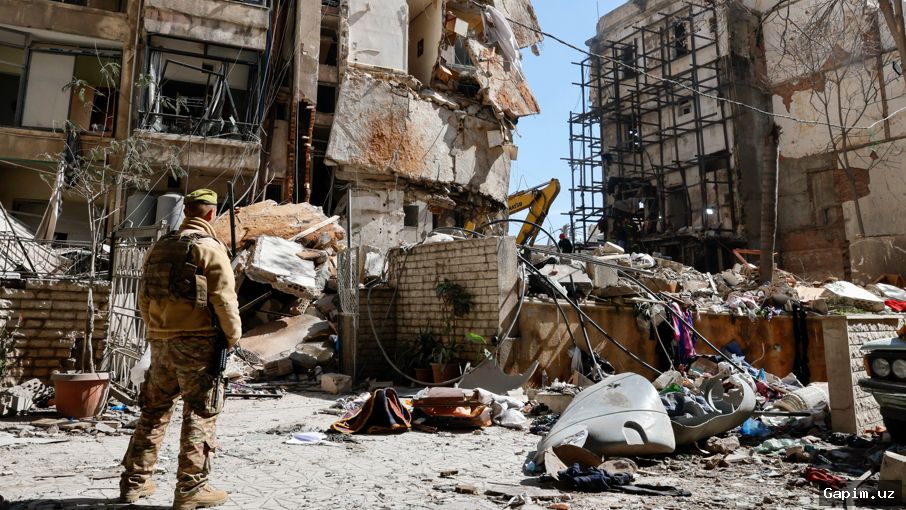
As the war marks 100 days, efforts are still under way to end the fighting on multiple fronts. In addition to direct talks between Israel and Lebanon, Iran has pledged to link the conflict to any ceasefire deal it makes with the US and Israel. On Sunday, Iran attacked Israel as retaliation for an attack on Beirut’s southern suburbs.
Fighting continues in the south between Israeli troops and Hezbollah, the pro-Iran political and paramilitary group opposed to the Lebanese government’s direct talks with Israel. Hezbollah has recently started using fiber-optic drones, creating a new dynamic on the battlefield. “They’ve gone back to their guerrilla roots,” said Nicholas Blanford of the Atlantic Council. “The intention now is to wear the Israelis down.”
Israel has not slackened its attacks. Even on the 100th day, it issued threats in the coastal city of Tyre, including its Christian quarter. An air raid killed at least eight people. Israel’s intensification began on March 2, after Hezbollah fired six rockets in response to Israeli ceasefire violations and the killing of Iran’s Supreme Leader.
Since then, Israel has killed more than 3,600 people in Lebanon, including 245 children. Another 11,000 have been wounded, among them 900 children. At least 131 paramedics have been killed, and 17 hospitals damaged. Journalists have also been targeted.
The Lebanese government is under US and Israeli pressure to crack down on Hezbollah. On March 2, it declared Hezbollah’s military activities illegal, though with little impact. Iran has tried to tie Lebanon to any ceasefire deal. Lebanon’s President Joseph Aoun expressed trust in US President Donald Trump: “I have no other choice. I’m trying to benefit from President Trump’s personal interest in ending this conflict.”
Since March 2, at least 1.2 million people have been forcibly displaced. Israeli forces have occupied about 2,000 sq km of Lebanese territory, deeper than at any point since 2000. Analysts believe Israel plans to stay indefinitely. Defense Minister Israel Katz said troops will occupy up to the Litani River, while Finance Minister Bezalel Smotrich called for annexation.
April 8 was one of the bloodiest days: Operation “Eternal Darkness” killed more than 350 people in over 100 attacks within 10 minutes. UN experts called the attacks “indiscriminate”. On April 16, Trump declared a ceasefire, but fighting continued. Another ceasefire on June 3 was rejected by Hezbollah, which called it “shameless” and a “roadmap to annihilate part of the Lebanese people.”
Source: www.aljazeera.com