Iranian authorities are trying to ease pressure on consumers with food vouchers and a minimum wage hike. However, some Tehran residents told DW they are struggling to make ends meet as living conditions deteriorate due to war and sanctions.
In March, the monthly minimum wage was raised by 60% to 166 million rials ($120), but many Iranians say the increase fails to keep pace with rapidly rising prices. A Tehran resident noted that the price of rice rose 9% within two weeks, with similar hikes for other items like ice cream.
Officials claim a food voucher scheme is meant to ease the burden, but many argue the support has not kept up with inflation. The same resident said chicken prices have more than doubled and milk prices have risen nearly 50% since the vouchers were introduced, while the voucher amount remained unchanged.
The war with the US and Israel has exacerbated Iran's economic problems, disrupting supplies of oil, gas, and fertilizers. This drives up costs for fuel, transport, and imports, eroding household purchasing power. While store shelves remain stocked, many can no longer afford basic goods.
A supermarket owner told DW that customers now buy far less rice than before, and he has never seen such desperation for basic necessities. Some households, if they have savings, buy food and hygiene products in bulk to hedge against future price hikes.
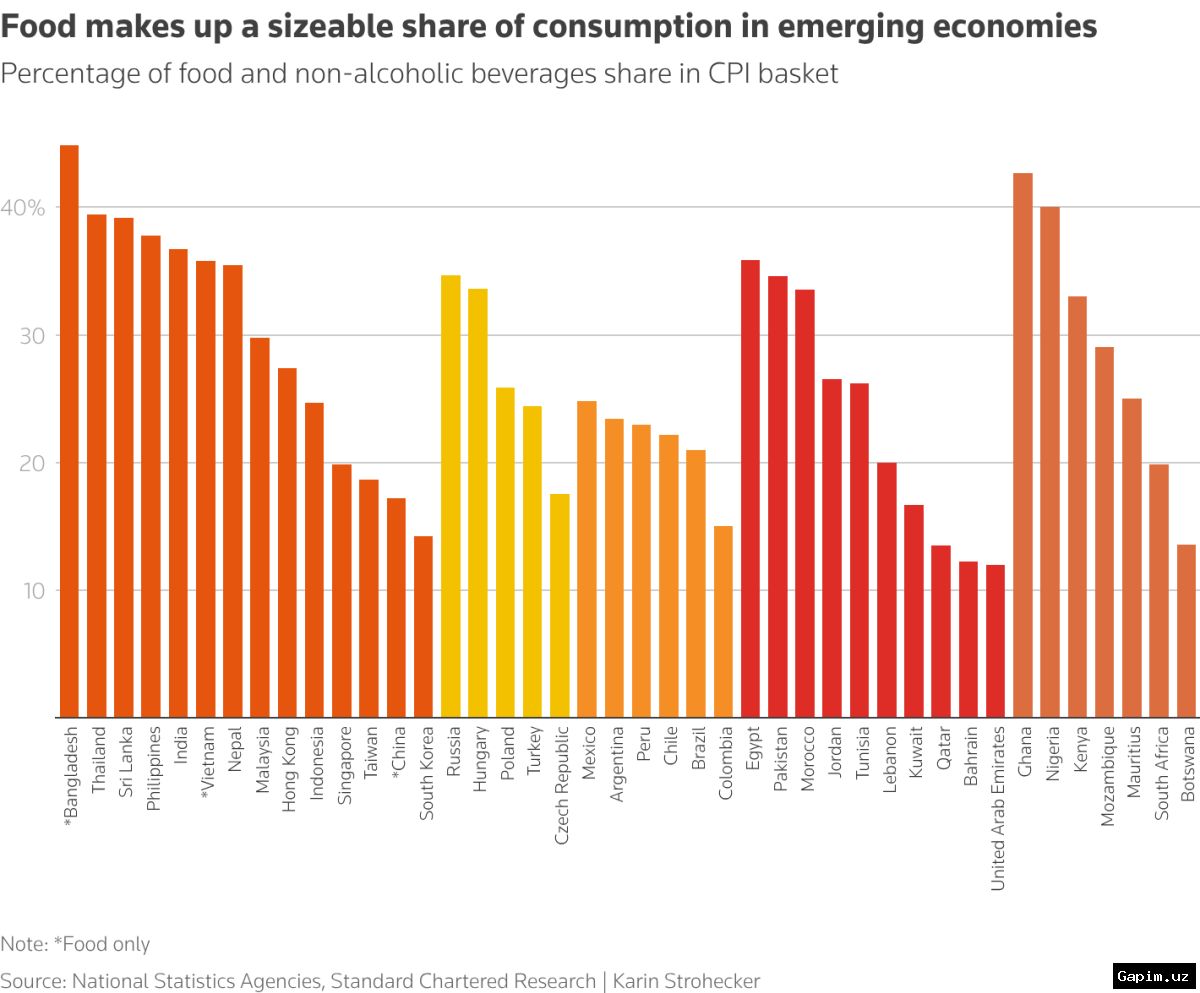
London-based economic analyst Arzoo Karimi said the monthly cost of minimum calories for one person has exceeded 7 million tomans ($39), meaning food alone can consume over 70% of a three-person household's income, leaving little for rent, healthcare, or education. She criticized authorities for focusing on abundance on shelves while people cannot afford to buy.
Source: www.dw.com