South African President Cyril Ramaphosa has unveiled sweeping measures to curb illegal migration. But as tensions rise and anti-migrant protesters remain unconvinced, can his plan end the wave of anti-foreigner protests?
Fifi, a 21-year-old Ghanaian footballer playing for Bucks Buccaneers in the Namibia Premier League, was caught up in anti-immigrant protests while on holiday in South Africa. He was among a group of Ghanaians recently repatriated from South Africa.
South Africa has long been a destination for migrants across Africa, offering economic opportunities and relative political stability. According to Stats SA, an estimated 3.3 million immigrants live in the country, about 5.1% of the population of 65 million. Other estimates, including undocumented migrants, place the figure significantly higher.
Most migrants come from the Southern African Development Community (SADC), whose citizens can stay visa-free for up to 90 days. Ensuring they leave after 90 days is a key trigger of recent protests.
Migration patterns have evolved, with many migrants now settling permanently, building families, and becoming a more permanent feature in the country. Most settle in Gauteng and the Western Cape. Anti-migrant sentiment is rising.
Ramaphosa announced a raft of measures to crack down on illegal migration, including strengthening border security, stamping out corruption in the immigration system, closing legal loopholes, and working with other African countries. He also warned against vigilantism, stating that no one is allowed to confront others on the street to demand proof of nationality.
Authorities say they have deported more than 100,000 undocumented migrants over the past two years and prevented approximately 450,000 attempted illegal border crossings in the past year.
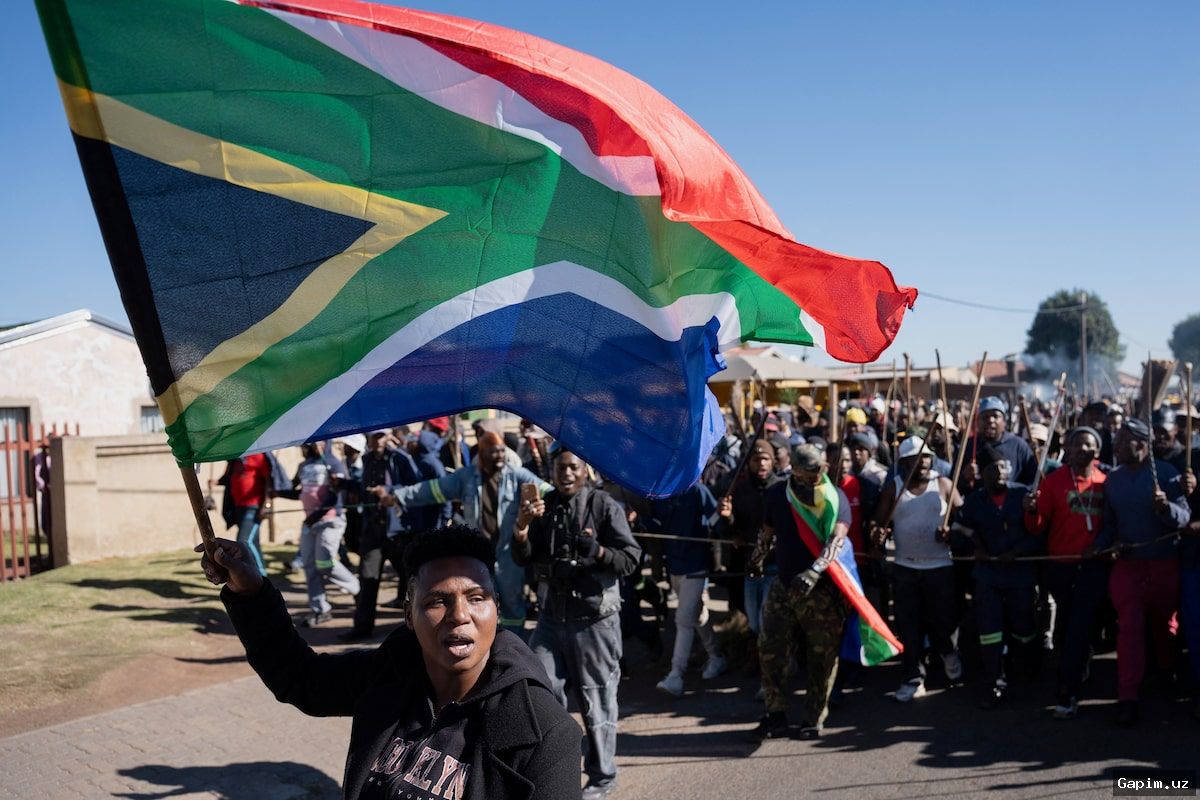
However, Ramaphosa’s assurances have done little to convince anti-migrant protesters. The All-Truck Drivers Forum and Allied South Africa (ARDF-SA) criticized the government for not listening, while another group, March and March, dismissed the proposal as unworkable.
South Africa has a total land border of approximately 4,471 km with six neighboring countries and 53 designated border crossings, but numerous footpaths and makeshift trails exist. Experts say policing these will be difficult.
Analysts agree that Ramaphosa’s address does not outline a comprehensive plan to address the myriad issues driving migration, such as the economic and political situation of neighboring countries. Mtimka from Nelson Mandela University urged the government to avoid populist reactions and adopt a strategic, evidence-based approach.
A June 30 deadline set by anti-migrant groups for all undocumented migrants to leave looms large. Malawi plans to repatriate more than 3,000 of its citizens, Ghana has begun airlifting its nationals out, and Nigeria is scheduled to follow suit. Ghana is considering taking legal action against South Africa at international courts and has petitioned the African Union. Nigeria has warned of retaliatory measures.
Source: www.dw.com