The Russia-Ukraine conflict and the US-Israel war on Iran have exposed how fragile energy systems built on dependency and external markets truly are. This cycle of fuel crises and price shocks should encourage energy-importing countries to address deficits, but few are undertaking bold actions.
Tunisia is not one of them. The country's energy deficit stands at roughly $3.8bn – nearly 51 percent of its total trade deficit – and has grown every year since 2000, driven by rising domestic consumption and a structural failure to build genuine energy sovereignty. The Tunisian authorities, however, are pursuing the wrong policies.
They have bet on privatization of the energy sector, as reflected in the recent approval of five renewable energy concessions. The projects allow foreign multinationals to extract profits from renewable energy production and dump costs on the Tunisian people. On January 29, five new concession contracts for electricity production from renewables were submitted to parliament for approval.
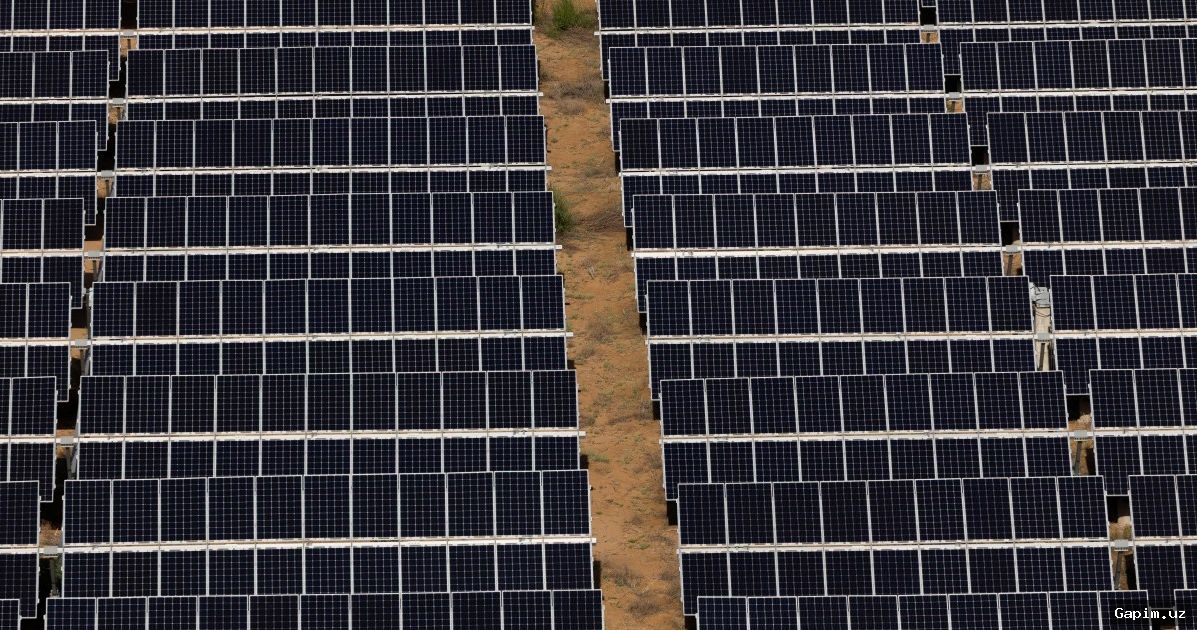
The five solar plants – Khobna and Mezzouna in Sidi Bouzid, El Ksour and Sagdoud in Gafsa, and Menzel Habib in Gabes – would have a combined capacity of roughly 598 megawatts, with a total investment estimated at $560m. They would be granted to foreign multinationals.
On April 21, the Electricity and Gas Federation held an urgent news conference laying out the concrete mechanics. The concessions, they argued, would reduce STEG, Tunisia's national public utility, to a mere grid operator, while electricity production would be handed to foreign companies. Infrastructure costs would be paid by the public, while profits would leave with the corporations.
According to the Tunisian Economic Observatory, the five concessions would benefit from extensive tax exemptions and stabilization clauses that could undermine Tunisia's fiscal sovereignty. Carbon credits generated through emissions reductions on Tunisian territory could be transferred to the multinationals rather than remaining a public asset.
Workers and activists staged a protest outside the parliament. Nevertheless, the five concessions were voted through, and the contracts were approved. The energy minister and a senior Ministry of Industry official were dismissed to placate public anger.
The government claims the projects are needed to reduce the energy deficit and cut dependence on Algerian gas (60 percent of needs). However, about 73 percent of Tunisia's energy comes from petroleum products, consumed overwhelmingly by a transport sector built around private transportation. Addressing it requires investment in public transport, restrictions on car imports, and strengthening domestic refining capacity.
In 2012, Tunisia and Libya discussed a joint refinery project at Skhira that could have advanced energy sovereignty. The $2bn project was suspended due to the conflict in Libya and eventually abandoned because such sovereign regional cooperation threatened the interests of European hegemonic powers.
The five solar concessions do not address the real structural issues of Tunisia's energy deficit. They do not build domestic industrial capacity or transfer technology. They open a new frontier for international capital accumulation dressed in the language of transition and sustainability.
Tunisia's energy crisis requires public control over energy production, genuine technology transfer, investment in domestic industrial capacity, and regional cooperation that builds sovereignty. The neoliberal corporate-led model has demonstrated its limits. The transition must be on our own terms, with democratic oversight and inclusive development defined by the needs of the many.
Source: www.aljazeera.com