The European Union's Special Representative for Central Asia, Terhi Hakala, has given a wide-ranging interview on the prospects for cooperation with Uzbekistan and the region. According to him, the strategy adopted in 2019 may be updated as its validity period is nearing its end.
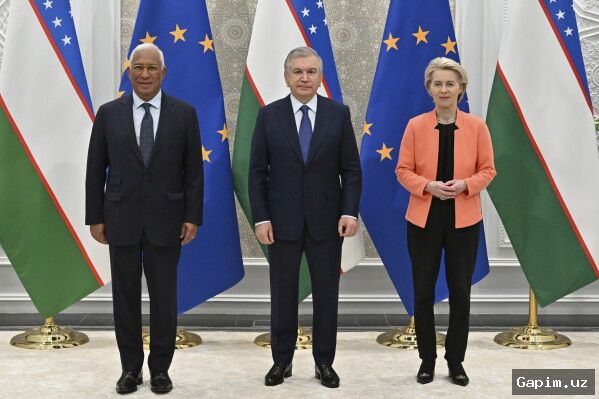
Hakala noted that the joint roadmap adopted in 2023 ensures operational efficiency in implementing the strategy. However, the process of updating the strategy itself may begin soon, but will require lengthy consultations between EU member states and institutions.
The diplomat believes that Central Asia has undergone significant changes in recent years on its way to becoming a geopolitical player. Regional cooperation is strengthening, exemplified by Kyrgyzstan's election as a non-permanent member of the UN Security Council.
Hakala stated that there are no fundamental disagreements between the EU and Central Asia, but coordination at the institutional level needs to be strengthened. He also cited the Kambarata HPP project as a successful example.
Speaking about barriers to investment, Hakala listed insufficient infrastructure, legal uncertainty, and problems in the energy system. He stressed the importance of developing the Trans-Caspian corridor and expanding digital transformation.
Source: www.gazeta.uz