Leaders of the US House Energy and Commerce Committee have struck a bipartisan agreement on legislation requiring social media platforms to provide safeguards and tools for children and parents. This marks a key step in a years-long debate over protecting children online.
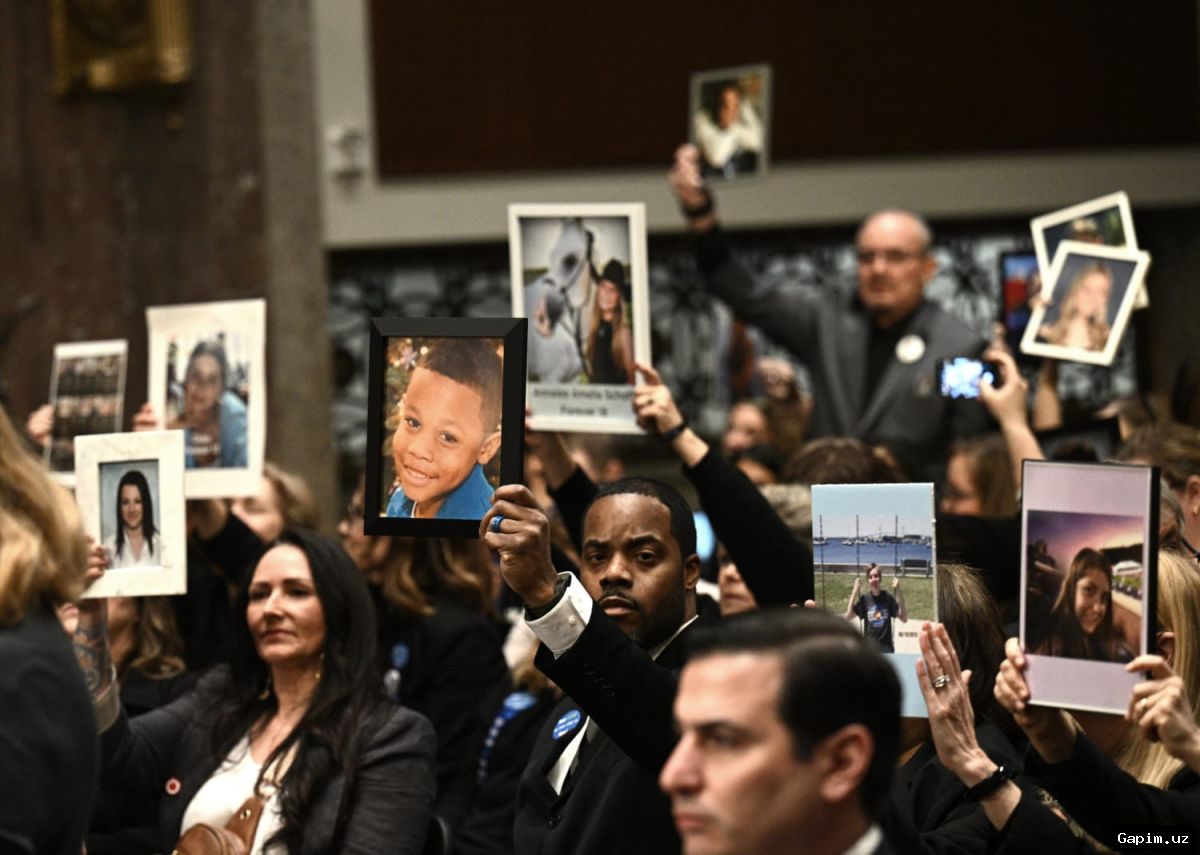
Chairman Brett Guthrie and top Democrat Frank Pallone declined to release specific details of the deal announced Monday but said it would “hold Big Tech accountable.” In a joint statement, they said: “We worked across the aisle for many months and have now found common ground on policies to significantly improve the digital environment for kids.”
Tech companies face increasing scrutiny in the US over their impact on young people, with parents and state officials pushing to ban phones from schools. The bipartisan agreement also addresses several contentious issues in the social media regulation debate.
The deal does not include a “duty of care” provision, a spokesperson for committee Republicans said. Such language would require companies to design platforms with children’s safety in mind. Democrats in the House and key Senate Republicans, such as Marsha Blackburn of Tennessee, have long demanded inclusion of this provision, complicating the bill’s path.
States would be allowed to pass social media laws providing “greater protection” than the agreement, a win for Democrats. The deal faces hurdles including support in the Senate and from President Donald Trump. Trump’s spokesperson did not comment. House Speaker Mike Johnson supports the agreement, according to a source.
At the national level, US lawmakers have for years declined to pass comprehensive legislation, prompting states to act. At least 20 states enacted laws last year addressing children’s social media use, according to the National Conference of State Legislatures.
Snapchat, Instagram, YouTube, and TikTok are the most popular platforms for Americans aged 13-17, per Pew Research. Meta, Google, Snap, and TikTok declined to comment. Reuters previously reported Meta lobbied Congress for legal immunity from child-harm claims. If such a provision became law, it could undermine thousands of lawsuits against these platforms.
Source: www.aljazeera.com