Zimbabwe's Senate has overwhelmingly approved a constitutional amendment that will keep President Emmerson Mnangagwa in office until 2030, despite widespread criticism from opposition groups and human rights organizations.
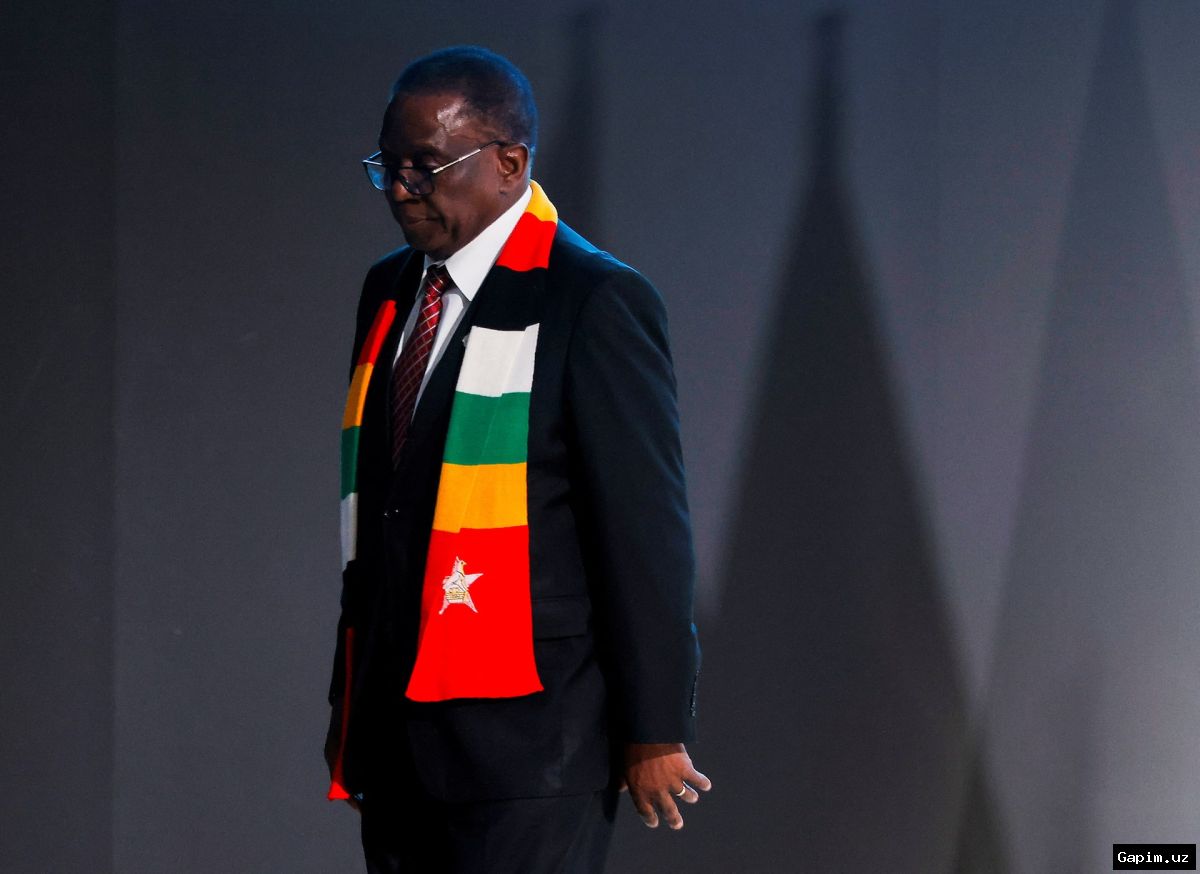
According to Senate President Mabel Chinomona, the controversial amendments were passed on Wednesday after 75 senators voted in favor and only four against extending the term for the 83-year-old leader.
The sweeping changes, which critics have labeled a "constitutional coup," include a provision extending presidential and parliamentary terms from five to seven years. The bill also introduces a mechanism for the president to be elected by parliament rather than through direct popular vote.
With parliamentary backing secured, the bill now requires Mnangagwa's signature to become law. His Zimbabwe African National Union-Patriotic Front (ZANU-PF) party holds a strong majority in parliament and has ruled since independence in 1980.
Last year, the ruling party resolved to amend the constitution to prolong presidential terms, and the plan received cabinet approval in February. The bill subsequently passed through the National Assembly last week, with 216 lawmakers voting in favor and 42 against.
Mnangagwa came to power after a 2017 military coup ousted longtime leader Robert Mugabe, who had been in power since independence. The country's opposition, weakened by years of repression, argues that the measures will entrench ZANU-PF's control over the nation.
Activists attempting to mobilize against the amendments have reported intimidation and violence, including arrests and assaults by suspected state agents. Legal challenges have also failed to halt the amendment process.
In March, Human Rights Watch stated that Zimbabwean authorities are using violence and intimidation against those opposing the amendments. "Over the last few months, the police and unidentified armed men have threatened, harassed, and beaten up several people who are opposed to the proposed constitutional amendment," the organization said in a statement.
Source: www.aljazeera.com