Since the start of Muharram – the first month of the Islamic calendar – last week, black cloths have been draped across many passageways and neighborhoods in Tehran and other Iranian cities as a sign of mourning. Wednesday and Thursday marked Tasua and Ashura, declared public holidays in Iran each year by the authorities to mourn the killing more than 1,300 years ago of Hussein ibn Ali, the grandson of the Prophet Muhammad and the third of 12 Shia Muslim imams.
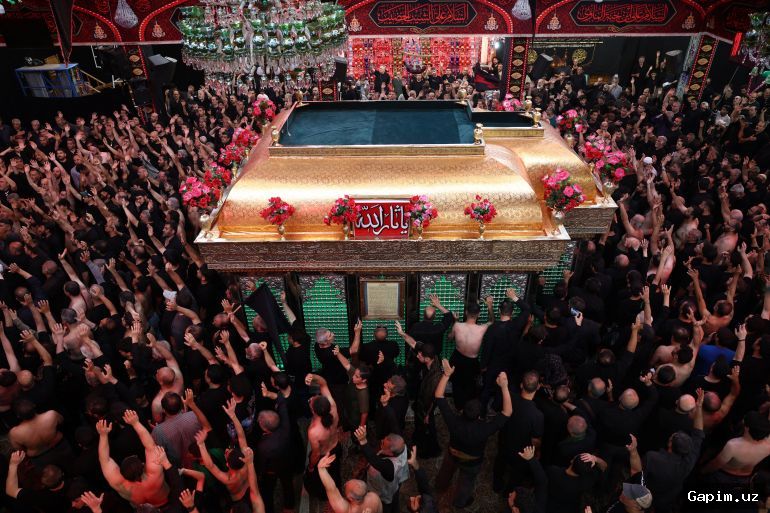
For the Islamic Republic of Iran, Ashura is also a political affair. The state presents itself as a continuation of Hussein, the “martyred” leader who chose to die along with his fighters and family members during an uprising instead of bowing down to what he perceived as the unjust rule of the Umayyad caliphs. In this vein, slain commanders of the Tehran-backed “axis of resistance” – such as Iran’s Supreme Leader Ayatollah Ali Khamenei and Hezbollah’s Hassan Nasrallah – are believed by supporters to have attained the highest levels of honor in death.
Khamenei, who held absolute power for nearly 37 years, is now called “seyyed ol-shohada” or the most exalted of martyrs by state media and some followers, a title most associated with Imam Hussein. He died more than four months after the start of the war with the US and Israel in downtown Tehran on February 28 and is slated to be buried in the second week of July, during Muharram.
For weeks after Khamenei’s burial, Iranian cities are expected to remain shrouded in black garments. Mosques, squares and streets across Iran are filled with countless black-clad Ashura tents and stations decorated with pro-state messaging, some showing images of officials killed during the war. They play loud religious music and chanting at all hours, especially at night, and sometimes distribute tea and beverages.
Tehran’s Enghelab (Revolution) Square and other major areas are closed off at night for large-scale state-organized events. Ashura mourning processions also move through some neighborhoods carrying “alams” or ceremonial standards associated with Karbala. Many are operated by state-linked groups and pro-state demonstrators.
However, not all Ashura ceremonies are linked with the state. Some Iranians mark the occasion based on religious traditions passed down through generations. “My family made some ash-e reshteh on Ashura eve, and we took it to our neighbors’ doors as a show of respect and to remember our grandfather,” a young woman told Al Jazeera.
This year, a number of Iranian families used their Muharram and Ashura gatherings to commemorate loved ones killed during nationwide protests in January. Footage circulating on social media from multiple cities showed mothers and other family members of killed protesters in tears as they held up pictures.
For the authorities and their most fervent supporters, this year’s mourning events provide another opportunity to rail against foreign powers. Iran’s President Masoud Pezeshkian used Ashura eve to deliver a message of national unity and wartime resistance: “Any message, statement, or action that damages unity and solidarity benefits the enemy, even if the criticism being expressed is valid,” he said.
Source: www.aljazeera.com