Filipino call center worker Jaycer Bajo's Spotify playlist has undergone a dramatic shift. Once dominated by US hits, it now features mostly Pinoy Pop (P-pop) acts like ALAMAT, BGYO, and BINI, which became the first all-Filipino girl group to perform at Coachella in April 2024.
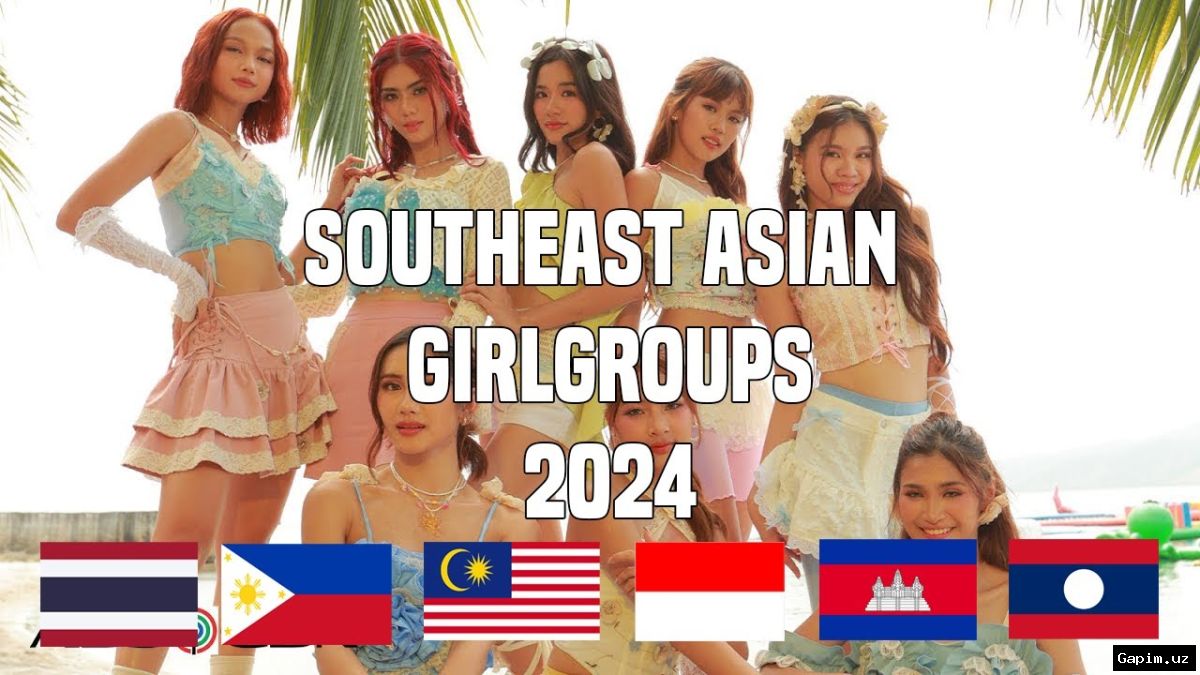
Bajo says he has moved from 70% Western music to 70% Filipino music over the past five years, noting a boom in quality music after 2020. ALAMAT, BGYO, and BINI, who debuted in 2021, blend K-pop, J-pop, and Western pop with Filipino themes and languages.
Across Southeast Asia, local artists are displacing Korean, Japanese, and American counterparts. According to Soundcharts, the share of local artists in Spotify's weekly top 10 in Indonesia, the Philippines, and Thailand rose from 39% to 97%, 31% to 81%, and 71% to 76%, respectively, between 2021 and the first half of 2026.
Thai film producer Cod Satrusayang observes a major shift toward homegrown influences in commercial music. He says T-Pop and Thai music long imitated Korean and American styles, but Thai artists are now forging their own identity. Satrusayang credits K-pop's success with proving Asian music can be globally lucrative.
Digital music revenue doubled in the Philippines from $93m in 2021 to $180m in 2025, and grew in Thailand from $132m to $204m and Indonesia from $164m to $264m, per Statista. Social media platforms like TikTok and Instagram have been crucial for artists to connect directly with fans.
BGYO member Nate Porcalla says social media is integral to their work, interacting with fans daily through TikTok, tweets, and comments. The group sings in a mix of English and Tagalog.
Researcher Mary Ainslie links the pop renaissance to rising consumer spending power in the region, echoing post-WWII trends in the US and East Asia. She notes K-pop demonstrated the global viability of Asian pop culture.
Singapore and Malaysia are outliers, with Western and K-pop music still dominating. In Malaysia, local artists' share of Spotify's top 10 grew from 1% in 2021 to 8.3% in early 2026, while regional groups rose from 5% to 45.7%.
Indonesian expat Elhana Sugaiman in Taiwan says No Na's music keeps her connected to home, incorporating Indonesian culture like gamelan and bus sounds. She feels proud seeing Indonesia represented globally.
Source: www.aljazeera.com