The European Union's Copernicus Marine Service reported on Wednesday that global sea surface temperatures reached a record high of 21.0°C (69.8°F) in June 2026, surpassing previous records for the same month in 2023 and 2024.
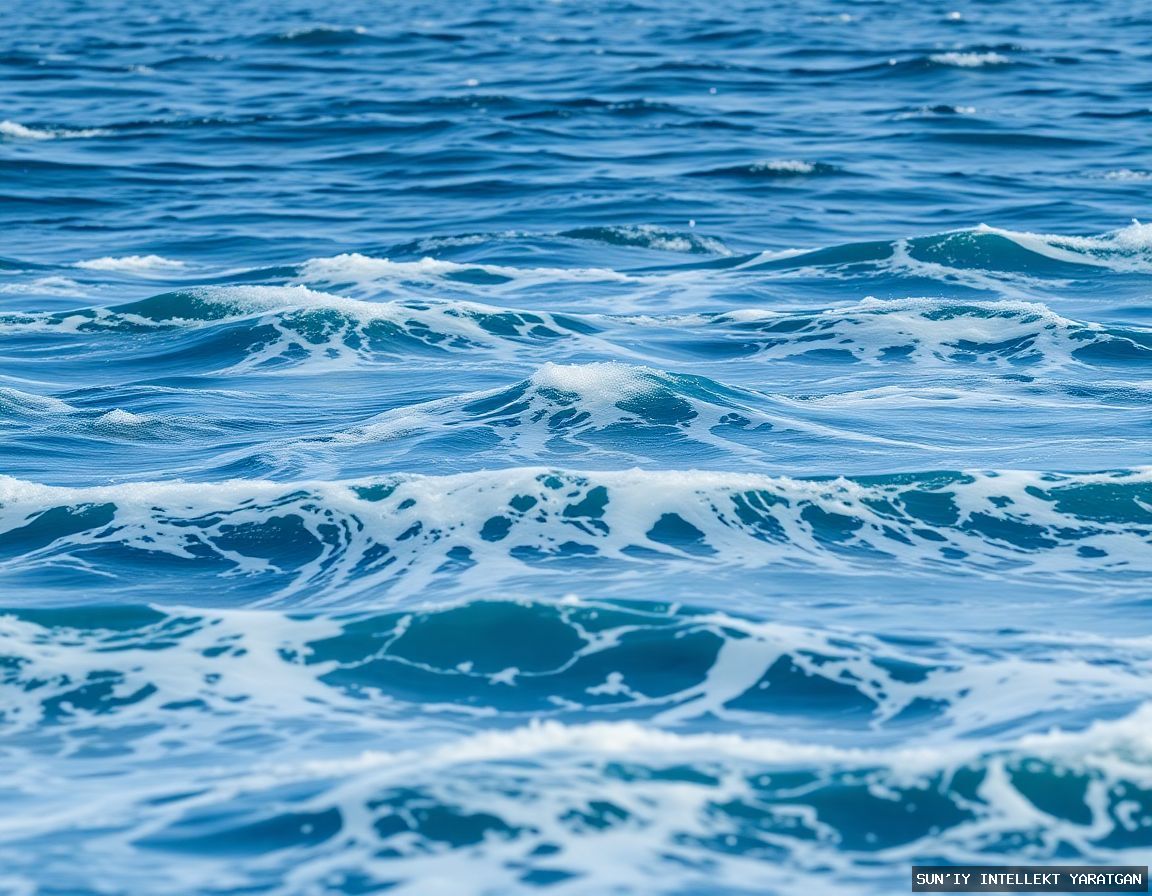
According to the EU's marine environment monitor, the first six months of 2026 were characterized by persistently elevated sea-surface temperatures and widespread marine heatwaves across much of the global ocean. Lead oceanographer Simon van Gennip stated that these heatwaves expanded steadily, ultimately affecting around 82% of the global ocean.
The Mediterranean, the central North Atlantic, and the equatorial Pacific emerged as hotspots, with van Gennip noting that these regional signals paint a consistent picture of an ocean under sustained thermal stress.
Scientists warn that the onset of a potentially powerful El Niño weather pattern could boost global heat in the oceans and atmosphere even further in 2026 and into next year. Carlo Buontempo, director of the Copernicus Climate Change Service, said that "current conditions could indicate the beginning of a new phase, leading, once more, to uncharted territory."
El Niño is marked by unusually warm waters in parts of the Pacific Ocean, releasing more heat into the atmosphere and influencing wind, cloud, and weather patterns globally. This can raise the risk of weather extremes, ranging from floods in Peru to droughts in parts of Africa and wildfires in Australia.
Land and sea temperatures reached an all-time high in 2024 at the tail end of the last El Niño, and 2026 could be among the warmest years recorded with the onset of the next El Niño. This follows a major UN scientific assessment last month that declared the world's oceans were in a "deepening crisis" as seas warm and rise faster.
Oceans are a key regulator of Earth's climate, absorbing about 90% of the excess heat caused by humanity's greenhouse gas emissions. Warmer oceans increase atmospheric moisture, fueling tropical cyclones and destructive rainfall. Hotter seas also directly contribute to sea-level rise through thermal expansion and cause coral bleaching and death during prolonged marine heatwaves.
Source: www.aljazeera.com