In February 2025, Ali stood outside his house in Naqoura, southern Lebanon, pointing at cracks in the foundation and uprooted fruit trees left by the Israeli military. He vowed to fix everything.
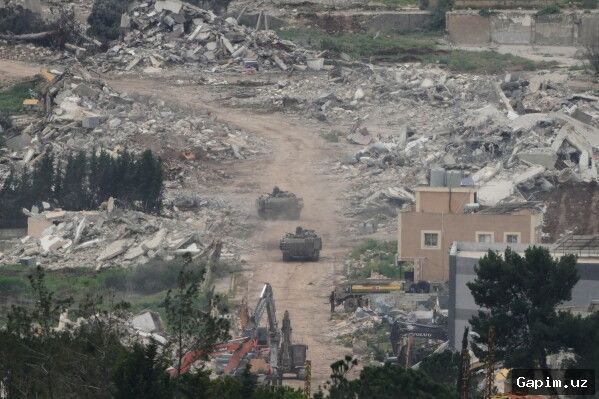
But just over a year later, Israel has completely razed Naqoura, one of many towns rendered uninhabitable. Forced to flee when Israel invaded again in March, Ali traded his seaside garden and family home for a rooftop room in central Beirut.
“We had 20 good years,” he lamented, referring to the period between the end of the 2000 Israeli occupation and the start of hostilities on October 8, 2023. For thousands like Ali, the future is uncertain.
Basma Alloush of the International Rescue Committee told Al Jazeera that when a village is flattened and landmarks are gone, people lose more than homes. “They lose the markers that told them where they belonged, causing deep distress even in those who never struggled with mental health before.”
On March 2, 2026, Israel intensified its war on Lebanon, responding to Hezbollah rocket fire by re-invading southern Lebanon and striking across the country. Since then, Israel has killed 4,257 people and wounded over 12,000. More than 1.2 million were displaced at the peak of attacks.
Israel currently occupies about 6% of Lebanese territory. A UNDP assessment found 11,095 buildings completely destroyed. Satellite analysis by Le Monde showed 45% of urban areas in southern Lebanon damaged or destroyed since March 2026.
Davide Musardo, a clinical psychologist with Doctors Without Borders, said residents often lose “reference points” to locate their homes, similar to Gaza. Many patients returning to Gaza said they “didn’t recognize where they were because everything was destroyed.”
Lebanon's population already faced a mental health crisis before the war. A 2022 study found high rates of depression, anxiety, and PTSD. The 2019 uprising, economic crisis, 2020 port explosion, and nearly three years of war have compounded the trauma.
Aya Mhanna, a mental health specialist, said: “When a village is destroyed, people lose not just homes but a place that organized their identity, relationships, memories, and sense of belonging for generations.”
Dr. Joseph El-Khoury, a psychiatrist, emphasized the symbolic importance of home: “It’s where everyone feels safe, and in villages, the connection goes back generations. It’s about your history and identity being erased.”
Currently, Israel occupies large parts of southern Lebanon, and Ali will not be allowed home in the coming weeks. Even if return is possible, people will face devastated infrastructure. El-Khoury concluded: “Healing requires a state, urban planning, and peace.”
Source: www.aljazeera.com