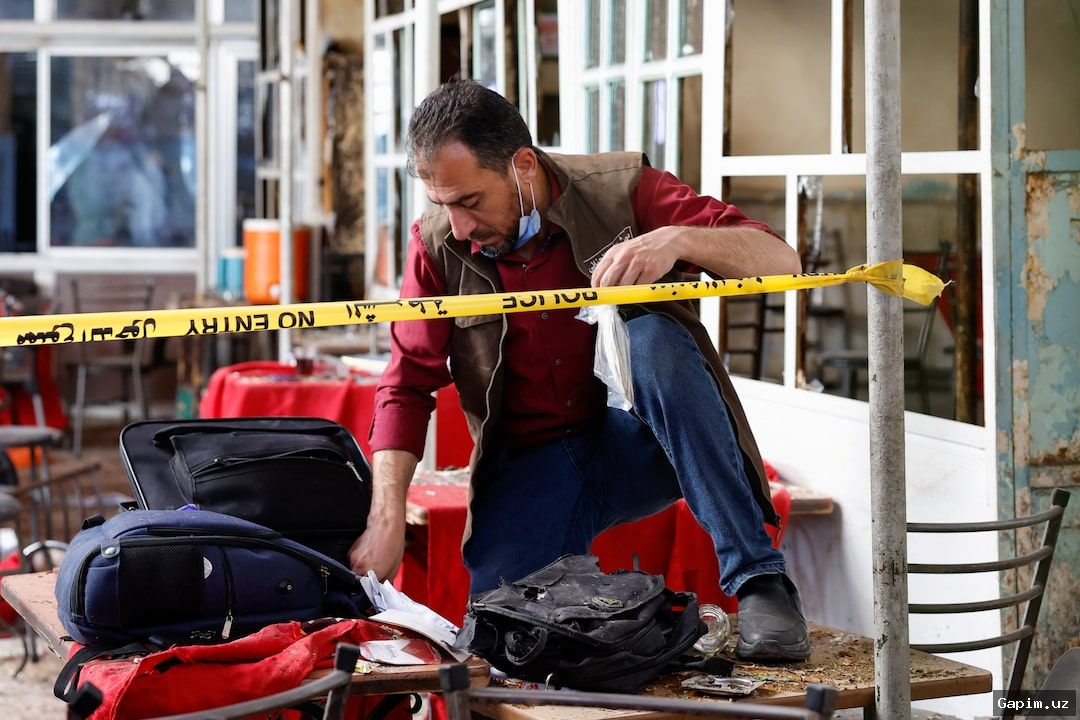
A bomb blast at a cafe in central Damascus on July 2 killed at least 10 people, leaving a small crater on the floor. Cafe owner Mohammad al-Dahabi noted that if the explosion had occurred half an hour later, no one would have been harmed.
Two more explosions struck near the Four Seasons Hotel on July 7, where French President Emmanuel Macron was staying during a visit to the Syrian capital, killing one person and wounding 36. The attacks have shaken residents and underscored the ongoing security challenges facing the Syrian government.
Navvar Saban, a security researcher at the Arab Center for Contemporary Syrian Studies, said that before the attacks, many residents felt life was gradually returning to normal. However, the blasts appear aimed at undermining the perception of stability.
Syrian Interior Minister Anas Khattab announced late Thursday that an ISIL-linked cell responsible for Tuesday's blasts had been apprehended. No group claimed responsibility for the attacks.
Nanar Hawach, senior Syria analyst at the International Crisis Group, stated that the attacks do not erase progress made in Damascus but show how conditional that progress remains. He noted that ISIL seeks to deepen communal fear and expose the government's inability to protect.
While traffic and pedestrian movement near the blast sites remained largely unaffected, Razan Rashidi, executive director of The Syria Campaign, said the attacks have inspired fear among many residents, particularly near courthouses and government institutions.
Cafe owner Mohammad is still repairing the damage and hopes to reopen on Saturday. "God willing," he said.
Source: www.aljazeera.com