In an exclusive interview with Gazeta.uz, Uzbekistan's Minister of Water Resources Shavkat Khamrayev revealed that the country is bracing for a severe water crisis, with a projected deficit of 15 billion cubic meters by 2030. Currently, the shortage stands at 11-12 billion cubic meters, but aggressive conservation measures are helping mitigate the impact.
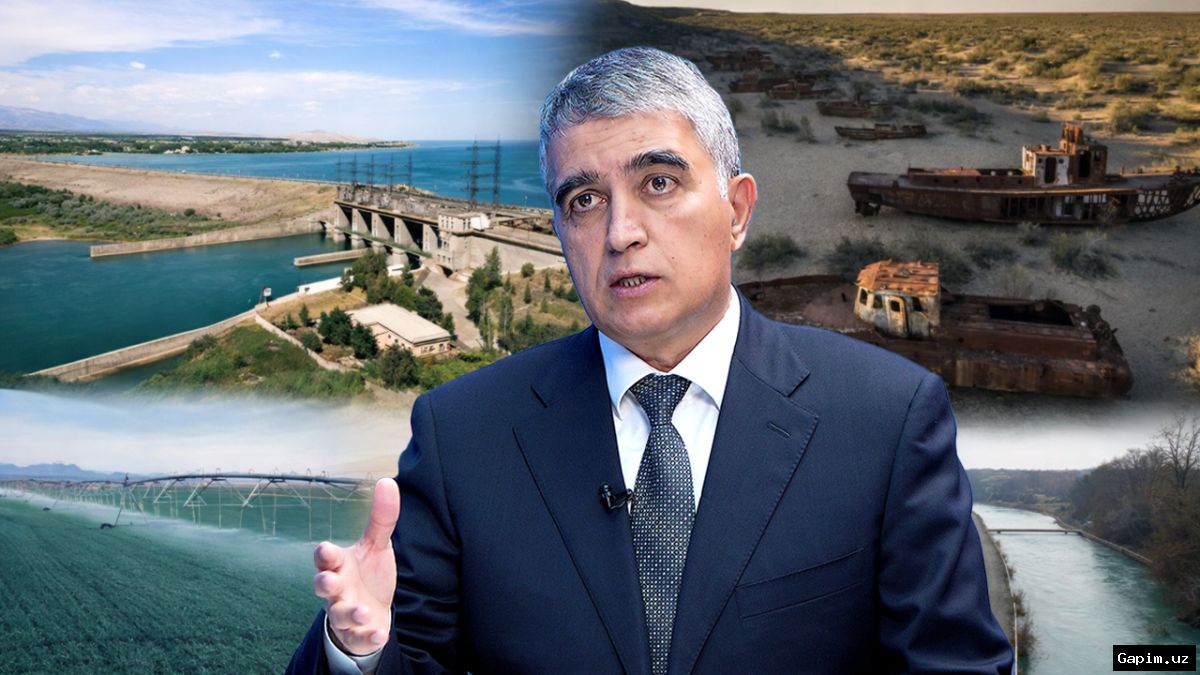
Khamrayev highlighted the devastating effects of climate change, glacier melt, and the Aral Sea disaster on the nation's water supply. He pointed to Europe's own struggles with drought, noting that even the Netherlands has cut irrigation water. In Uzbekistan, an unusually hot summer has accelerated glacier melting, which, paradoxically, may increase short-term river flows but deplete long-term reserves.
The minister emphasized the critical role of water-saving technologies, which now cover about 60% of irrigated land, with a target of 80% by 2030. He credited local manufacturers, now numbering 50-60 enterprises, for producing equipment and providing maintenance services, making these technologies more accessible to farmers.
Addressing the controversial water tax, Khamrayev clarified that the fee covers delivery services, not the water itself. The average tax is 107 soums per cubic meter, but farmers using efficient technologies enjoy up to 50% discounts, while those at the head of canals without such measures pay double. This differential pricing aims to incentivize conservation.
On the Aral Sea, the minister admitted that current funding is insufficient. He reiterated President Shavkat Mirziyoyev's 2018 UN initiative to establish a Trust Fund for the Aral Sea region, urging the international community to increase support. He noted that the Aral disaster is a global ecological problem, with effects reaching as far as Europe.
Regarding glaciers, Khamrayev stated that some regions have lost 30-50% of their ice cover, though precise annual melt rates are hard to predict due to climate variability. Plans are underway to build monitoring stations and expand scientific research to better understand these changes.
The minister also detailed infrastructure efforts, including the concrete lining of over 600 kilometers of main canals and 21,000 kilometers of smaller channels this year alone. A total of 293 projects are being implemented under the capital construction program, with 1.2 trillion soums spent in the first half of the year.
Source: www.gazeta.uz