In July 2021, the Ahr river in western Germany burst its banks after two days of rainfall equal to a month's worth, killing 135 people. The town of Bad Neuenahr-Ahrweiler was hit hardest, with 80% flooded. Damage to homes and infrastructure ran into billions of euros.
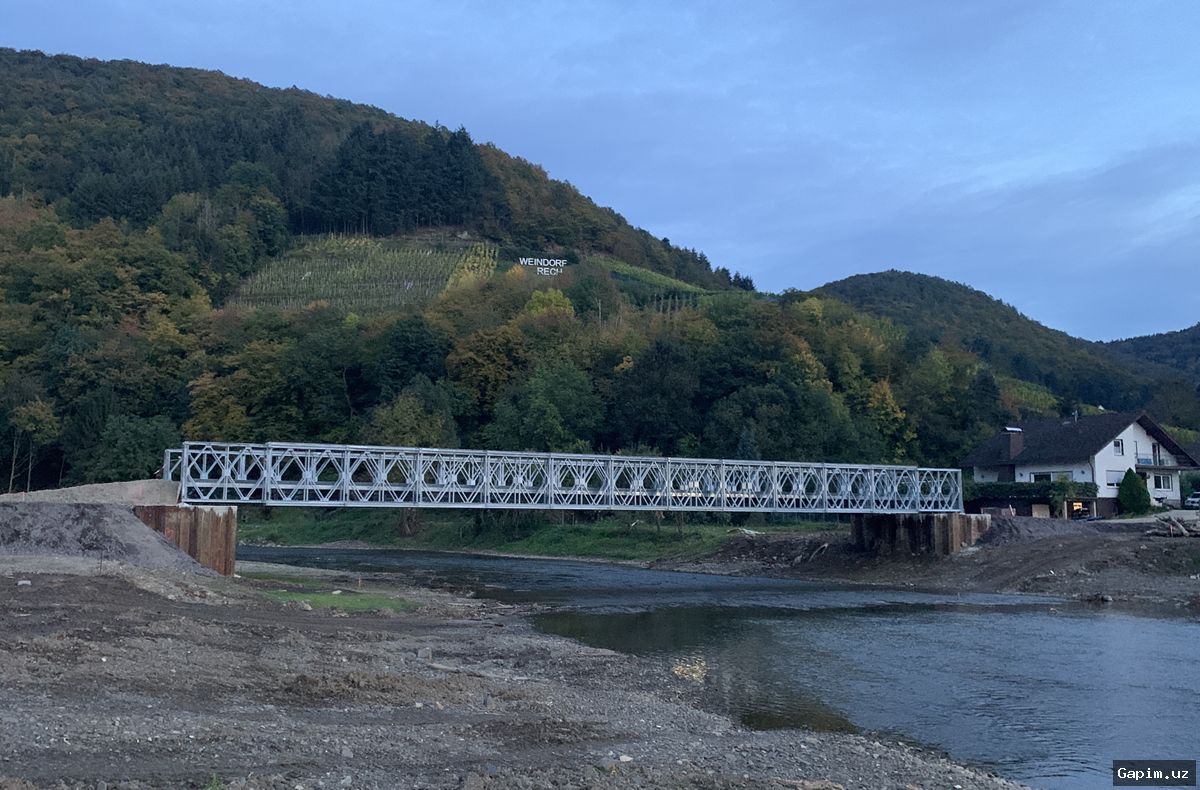
Five years on, the valley is a massive reconstruction site, funded by several billion euros from state and federal sources. In Bad Neuenahr-Ahrweiler, a 480-meter retaining wall is being built. Project manager Hermann-Josef Pelgrim says it is anchored by 1.2-meter diameter piles driven 15 meters deep.
Other measures include a new fire station on underground stilts and green spaces connected to drainage trenches. The 16 bridges destroyed in 2021 are being redesigned; a medieval five-arch bridge will remain as a memorial, replaced by a single wide arch to let water and debris pass.
Upstream in Altenburg, water levels reached 7 meters, ten times the normal. Engineer Bruno Büchele says the key is giving the river space: the county is buying riverside plots and converting them into floodplains planted with shrubs and trees.
A dam near Adenau held 40 million liters of water in 2021, preventing disaster. Now 17 more dams, up to 25 meters high, are planned along the Ahr and its tributaries. The cost exceeds €1.5 billion, and construction will take decades.
Similar plans after a 1910 flood were scrapped, with funds diverted to the Nürburgring racing circuit. Locals like Alexandra Wiemer take personal precautions: flood barriers and sandbags. She moved but stayed near the river. 'It's nice to live by the water. And I'm not afraid. Period.'
Source: www.dw.com