UNICEF has warned that approximately 3.7 million children under five in Afghanistan face an increased risk of malnutrition. A new study, for the first time, covered all 34 provinces of the country.
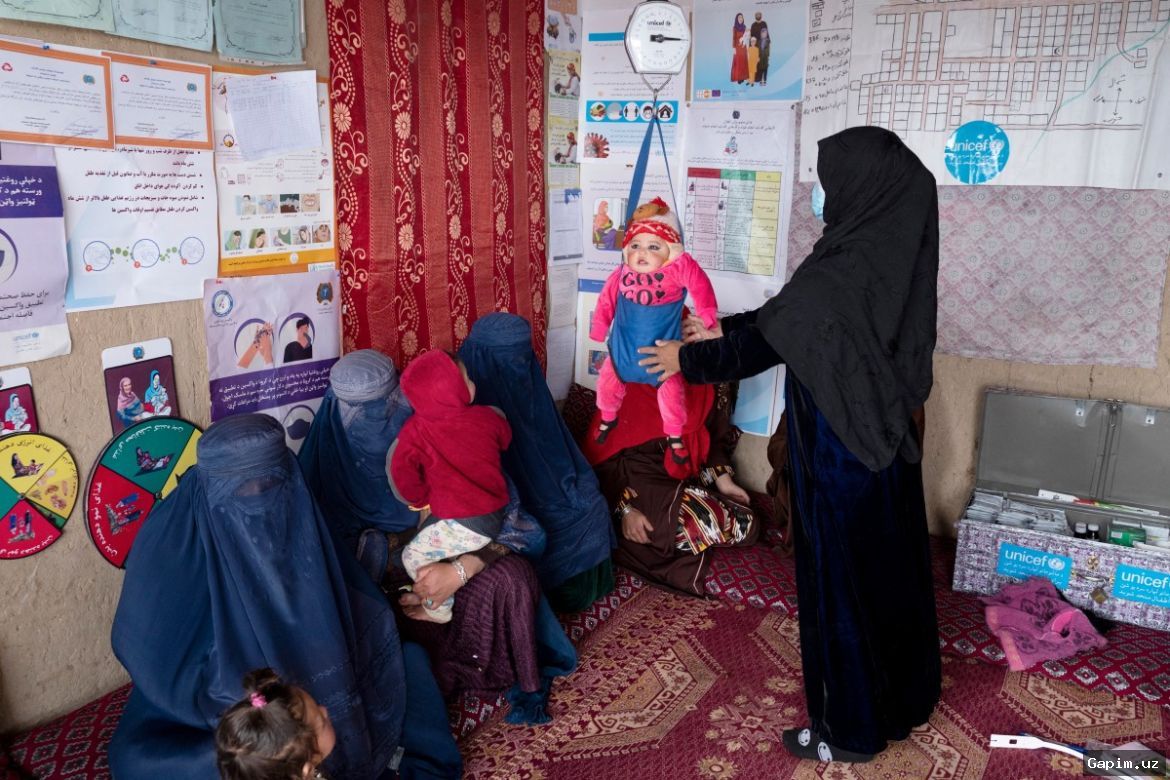
Experts simultaneously assessed children's health and the food situation in their families. Early signs of the crisis include monotonous diets, reduced portions, skipped meals, and instances of hunger.
Compared to 2025, child wasting rates have worsened in 26 provinces. Children under two remain the most vulnerable, accounting for 83% of severe acute malnutrition cases and 77% of moderate acute malnutrition cases.
The situation is exacerbated by outbreaks of infectious diseases, low vaccination rates, lack of safe drinking water, poor sanitation, as well as funding and medical supply shortages. In families experiencing acute food shortages, the risk of child wasting during the crisis season increases sixfold.
UNICEF has called for an urgent increase in funding for preventive programs, ensuring adequate nutrition for children aged six to 23 months, and expanding support for pregnant women. The organization stressed that action must be taken before children's conditions become critical.
Earlier reports indicated that cuts in US humanitarian aid have worsened the food and medical crisis in Afghanistan.
Source: podrobno.uz