Greece's relations with Ukraine have hit a new hurdle just weeks after clearing the last one, in a sign of how Europeans are trying to balance helping Ukraine with protecting their own economies.
The European Commission is trying this week to reconfigure a 21st package of sanctions against Russia, after its original proposal foundered on objections from Greece and other EU members last week.
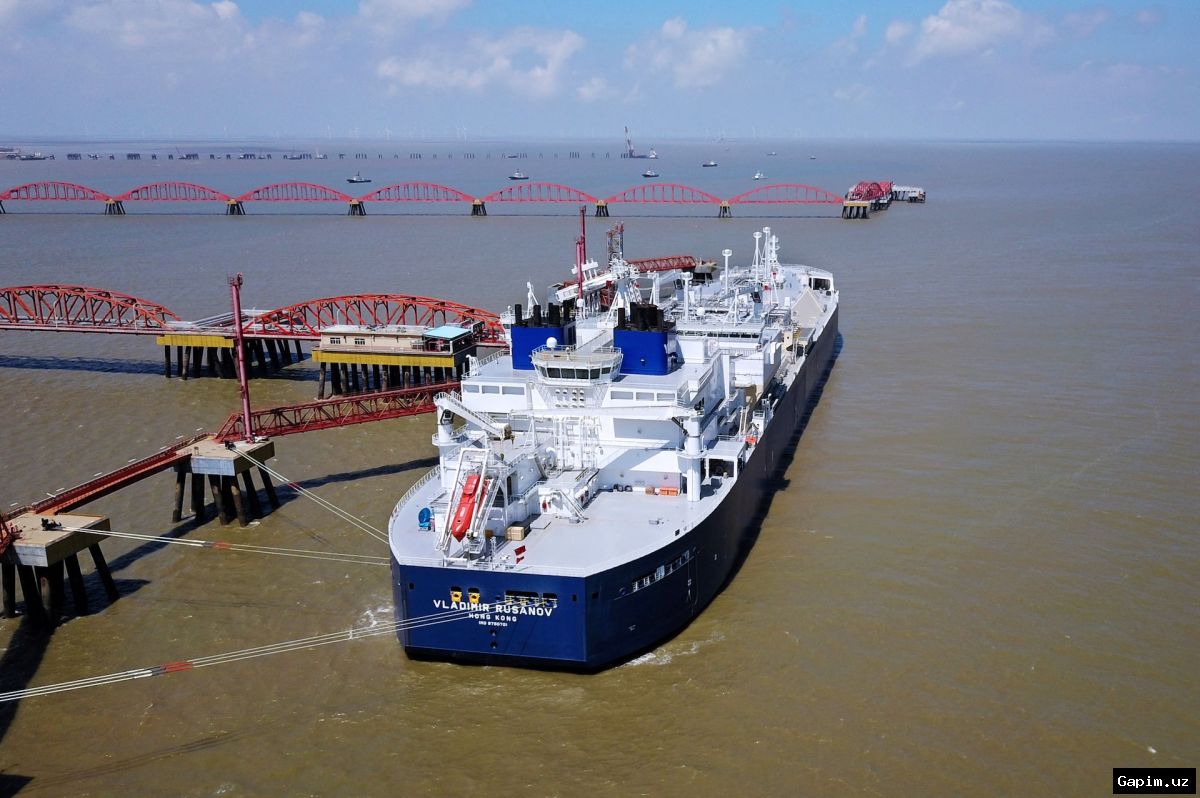
The proposed sanctions would prevent EU shipping from carrying Russian liquefied natural gas to third parties – even though the EU itself increased its own imports of Russian LNG by 11 percent in the first six months of 2026, compared with the same period last year.
Greece says that as owner of 60 percent of the EU fleet, its shipping would be disproportionately penalised if the new planned sanctions come into effect.
This latest threat to Greece's prized shipping industry follows an earlier one, to its equally prized tourism industry. Together they provide more than a quarter of the country's economy.
In May, a fisherman discovered a Ukrainian explosives-laden naval drone in an inlet on the island of Lefkada, in the Ionian Sea. Ukraine has used such drones to attack tankers of the Russian shadow fleet.
“We are concerned about a possible oil spill and about the danger presented by high explosives in our neighbourhood,” a senior government official told Al Jazeera. “We don’t want Greece to be a theatre of war operations.”
Greek officials say that Ukraine has now promised to be more careful in the future. “There was an assumption of responsibility and an apology from the foreign ministry on behalf of the president of Ukraine, and that allowed us to open the channels of communication and move on with our work,” Greece’s Deputy Foreign Minister Haris Theoharis told Al Jazeera.
Last month, Theoharis signed Greece’s first memorandum outlining its assistance in Ukraine’s reconstruction. Greek companies have so far undertaken at least four projects to rebuild hydroelectric power stations and other infrastructure destroyed in Russia’s war.
Greece’s port of Alexandroupolis has since 2022 become an important conduit for US weapons to Ukraine, and in November last year began to provide Ukraine with LNG.
According to the Kiel Institute for the World Economy, Greece has given 170 million euros ($194m) in bilateral military aid, not including aid through NATO. It has also given 1.14 billion euros ($1.3bn) in military and financial aid through EU institutions, and 9 million euros ($10.3m) in humanitarian aid.
Greece faces a more serious constraint, however. “Russia can escalate hybrid warfare against Greece, and we are only now building our defence against such threats,” said the senior government official.
Greece also faces a general election between the autumn and early 2027, and is concerned about Russian misinformation operations. The fear of these exposures means Greece has been slow to conclude a drone deal with Ukraine to jointly manufacture unmanned systems.
“A drone deal means that 50 percent of the product built in Greece will be used against Russia,” the senior government official told Al Jazeera, adding, “we don’t yet know what kind of agreement the US will reach with Russia.”
Source: www.aljazeera.com