At least 84 commercial vessels have transited the Strait of Hormuz since the onset of military hostilities between the US and Iran. While traffic has dropped more than tenfold compared to last year's over 900 ships in the same period, the vital waterway has not been completely shut down.
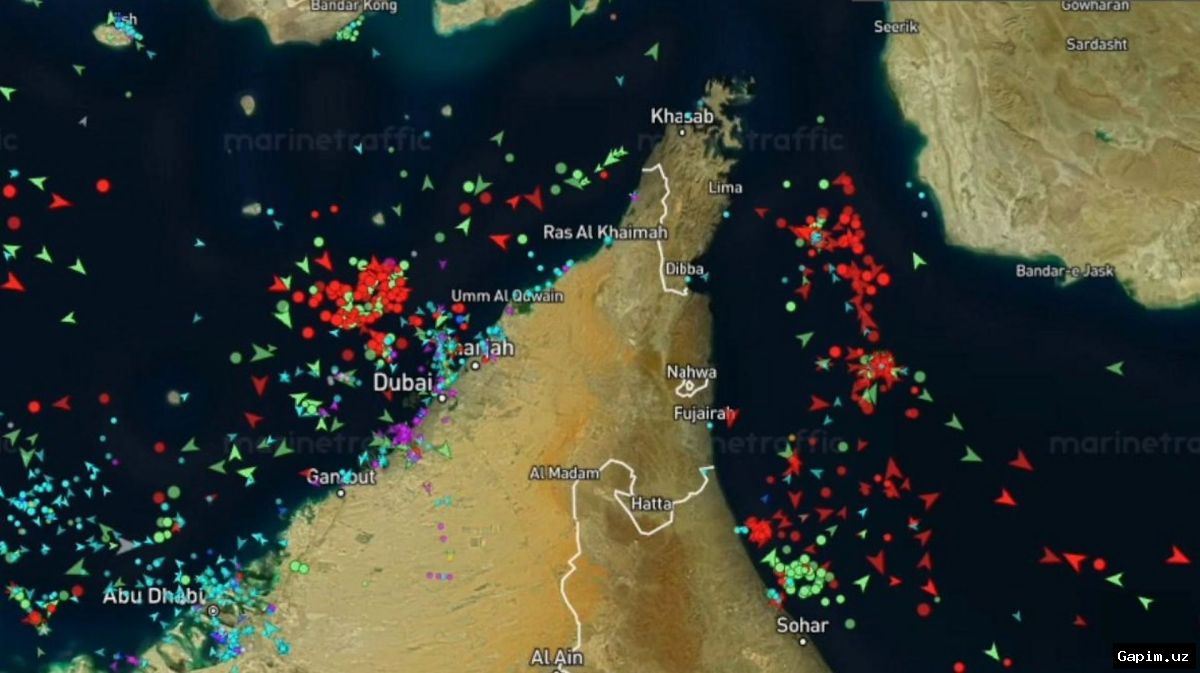
The Joint Maritime Information Center (JMIC) assesses the threat level to shipowners as 'serious'. According to Global Fishing Watch, most vessels crossing the strait belong to companies from the UAE, India, China, Vietnam, Pakistan, and Greece.
Of the 84 recorded ships, 73 sailed under third-country flags, and crews regularly disabled automatic identification systems to reduce risks. The main reason for continued shipping remains economic.
According to analytics firm Vortexa, with Brent crude above $80 per barrel, producers find it more profitable to assume risks to retain up to 90% of revenues rather than halt production and incur direct losses.
Alternative routes cannot yet fully replace the strait. Pipeline systems in the UAE and Saudi Arabia divert only 4 million barrels per day out of the usual 15 million. Additional risk factors persist in the Bab el-Mandeb strait.
Earlier, Oman proposed a joint management plan for the strait with voluntary ship fees, supported by Gulf states. However, the US opposed the initiative, asserting the strait's status as an international waterway.
Source: podrobno.uz