BMW has become the fifth German carmaker to announce major job cuts, as the country's auto sector struggles with rising competition from China. The Munich-based company said it would cut up to 8,000 jobs globally, representing about 5% of its 154,000-strong workforce.
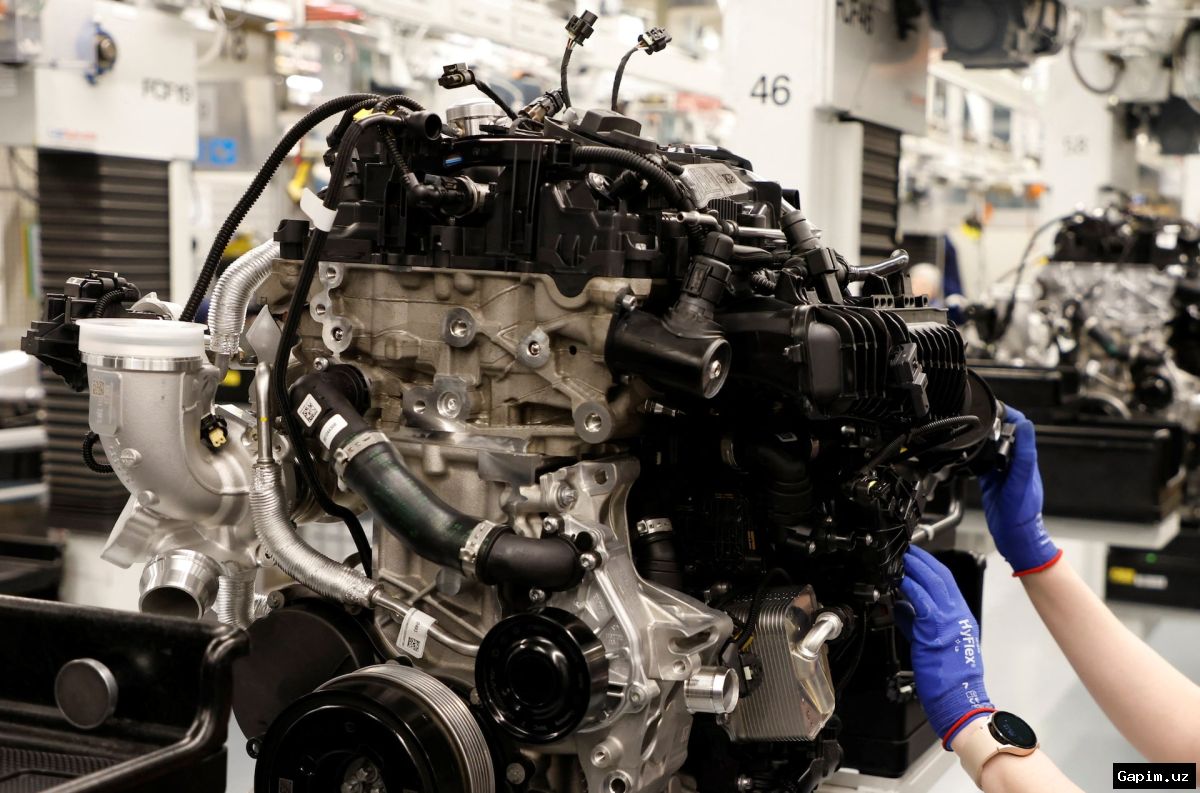
BMW, which also owns the Mini and Rolls-Royce brands, said the job losses would primarily affect operations in Germany and be achieved through natural staff turnover and a voluntary redundancy program.
Although BMW was seen as more resilient to Chinese competition, the company warned last month that its sales in China were falling sharply. Chinese rivals have intensified competition for electric vehicles (EV), crushing BMW's sales volumes and pricing power. Last year, BMW's vehicle deliveries in China dropped to their lowest level since 2017, and in the three months to June, they fell 30% year-on-year.
US President Donald Trump's tariffs, higher energy prices from the Iran war, and the growth of Chinese EV-makers in other major markets, including Europe, Asia Pacific, and Latin America, have also contributed to BMW's woes. On Thursday, the company disclosed that second-quarter net profit dropped 35% to €1.2 billion ($1.4 billion), while revenue fell to €31 billion from €34 billion. BMW has adjusted its guidance for the rest of the year, warning of a "significant decline" in profit.
Two days earlier, Porsche announced plans to cut an additional 5,000 jobs in Germany by the end of 2035, representing about 1 in 5 workers. The sports performance brand said the new measures would hit Porsche's main production plant in Stuttgart-Zuffenhausen and its research and development (R&D) center in nearby Weissach.
Volkswagen, Europe's largest carmaker, last month doubled its job-cull program, announcing plans to slash up to 100,000 jobs. The company also wants to close four German factories. Unions and the German state of Lower Saxony, which holds a 20% voting stake and can veto major decisions, have rejected the latest plans.
In March last year, Mercedes-Benz agreed with its works council plans to deliver €5 billion in savings by 2027, ruling out compulsory redundancies at German plants. Last month, Mercedes postponed a bonus payment for nearly three-quarters of its German workforce until 2027 and proposed extending the work week from 35 to 40 hours without extra pay.
VW-owned Audi last year announced plans to cut up to 7,500 jobs in Germany by the end of 2029, ruling out compulsory redundancies. However, last month, Audi's Neckarsulm plant was listed for possible closure in 2030 by parent company VW, potentially impacting about 15,000 workers.
Source: www.dw.com