A new study by researchers at Flensburg University reveals that climate skeptics are no longer a small but noisy minority but have become a mass phenomenon in Germany. Published in the scientific journal Global Environmental Change, the study found a significant jump in skeptical attitudes toward climate change between 2022 and 2023, with 59% of the 3,074 respondents reporting increased doubts compared to the previous year.
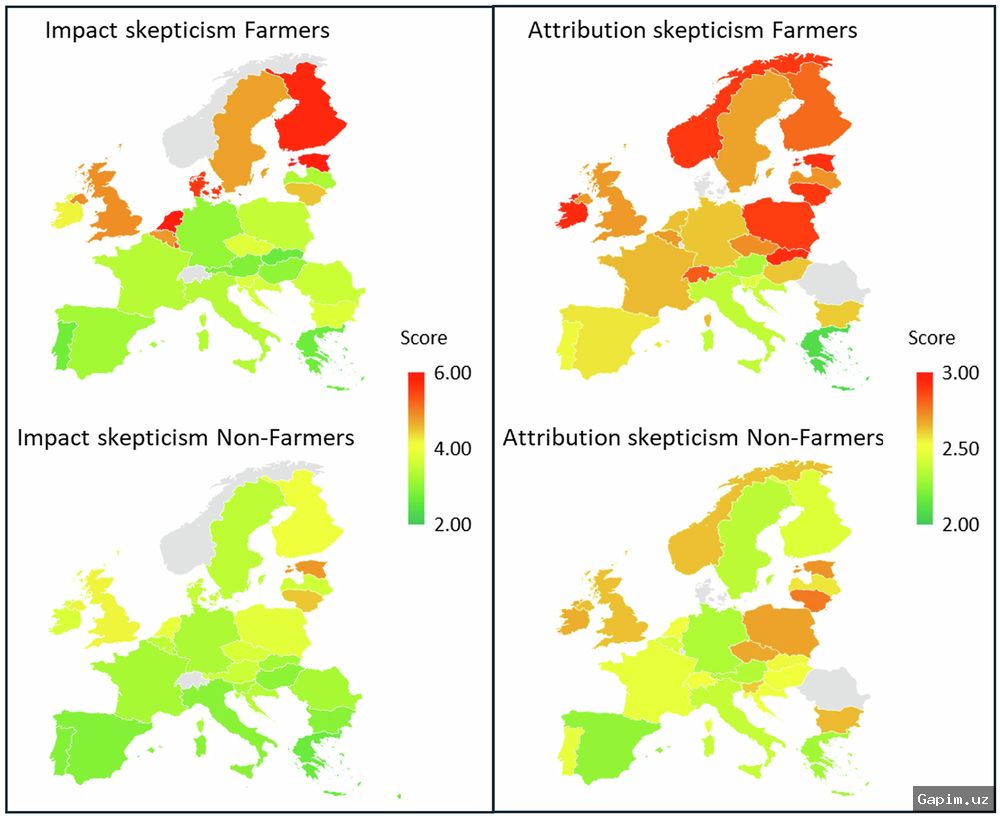
The authors, Katharina Gies and Emanuel Deutschmann, argue that respondents' individual economic situations cannot be considered the primary explanation for the rise in skepticism. Instead, they identify more decisive factors: a right-leaning political orientation, distrust of state institutions, and dissatisfaction with democracy.
Social psychologist Marlene Altenmüller, a junior professor at the Leibniz Institute for Psychology in Trier, called the Flensburg publication important and fascinating, though she has doubts about its alarming tone. Other studies indicate that the number of people with doubts is still very small. Her research suggests that Germans do not have fundamental doubts about scientific evidence, but skepticism varies by topic and the views of the groups people identify with.
Altenmüller's work, along with that of many other researchers, shows that politically right-leaning individuals express more skepticism about climate change. She suggests that if right-wing parties were to suddenly embrace climate action, their followers would likely believe in climate change and support policy measures. She attributes skepticism to group identity and the phenomenon she calls 'party over policy,' rather than personality structure.
Psychologists refer to this as motivated reception: people view the world through the lens of their own desires, values, and political ideologies, disparaging anything that doesn't align with their beliefs. Stephan Lewandowsky, a professor of cognitive science at the universities of Bristol and Potsdam, studies the persistence of misinformation and conspiracy theories. He notes that certain individuals are more susceptible to conspiracy theories, which offer brief psychological comfort by providing someone to blame, but this comfort is short-lived and can lead to job loss, social isolation, and mental health challenges.
Climate skepticism and conspiracy theories are predominantly a Western phenomenon, most prevalent in the US, Europe, and Australia. In India and other countries of the global south, climate change is already a matter of daily survival. Jagadish Thaker, a senior lecturer at the University of Queensland and an expert in climate change communication, points out that many in India lack access to clean drinking water and have long experienced firsthand how climate change exacerbates problems through rising temperatures and extreme weather.
In Germany, heatwaves and other extreme weather events pose a direct threat to human life, with this summer's heatwaves reportedly killing as many as 10,000 people. The Flensburg study authors urge society to take climate skepticism seriously to successfully anchor climate protection measures. Thaker emphasizes the media's decisive role, noting that coverage of extreme weather events is extensive and dramatic but often fails to mention climate change.
Altenmüller stresses the importance of emphasizing the scientific consensus that climate change is anthropogenic. She notes that the messenger matters: economists have a better chance of reaching a wide audience than sociologists. Communication should highlight not only restrictions but also opportunities. Lewandowsky is hopeful that this year's heatwaves and wildfires will shift perspectives, as personal experiences eventually matter.
Source: www.dw.com