Counting of ballots in Israel’s high-stakes parliamentary elections has confirmed yet another deep political impasse, with neither the bloc aligned with Prime Minister Benjamin Netanyahu nor the opposition alliance securing an outright majority in the 120-seat Knesset. Although Netanyahu’s right-wing and religious allies edged slightly ahead of the anti-Netanyahu coalition spearheaded by former military commander Gadi Eisenkot, both groupings remain far below the decisive 61-seat threshold required to govern without complex concessions.
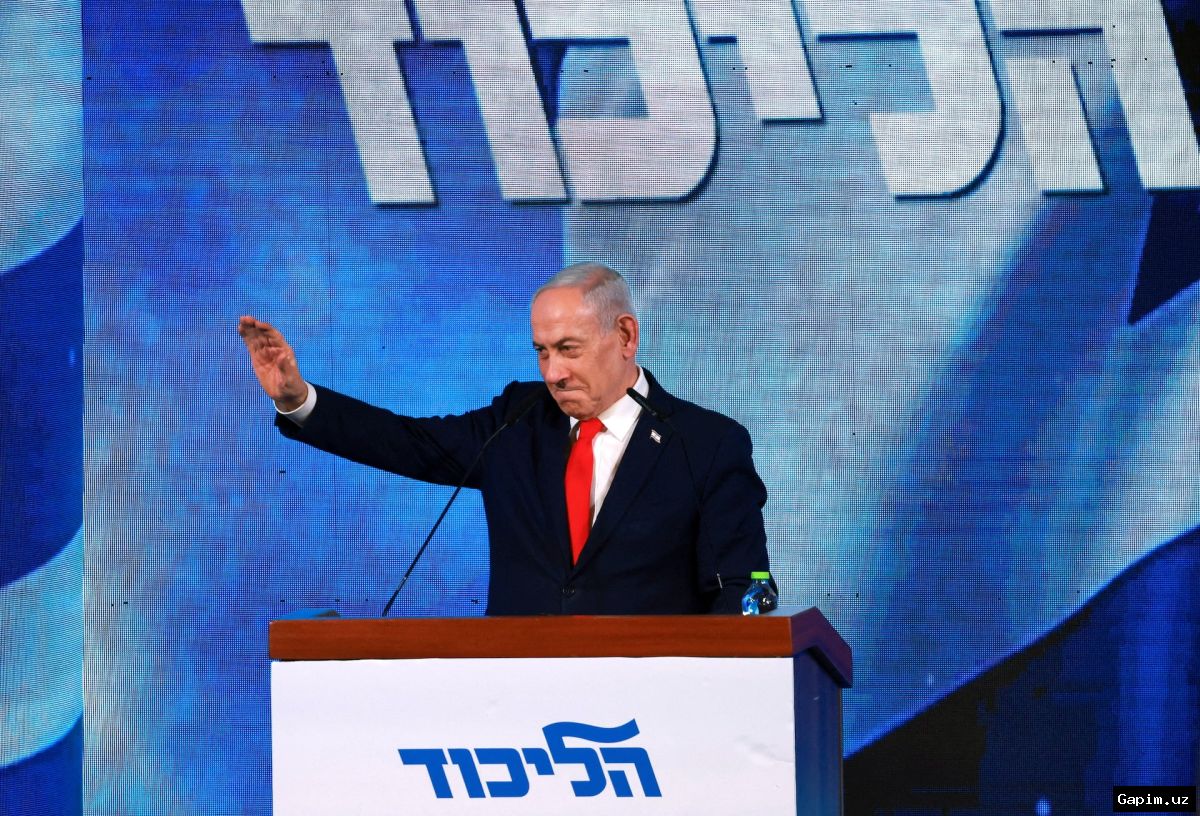
Provisional figures indicate that the pro-Netanyahu camp is poised to capture between 53 and 54 seats, while Eisenkot’s opposition alliance trails with roughly 48 to 49 seats. Upending traditional calculations, Arab-majority lists—predominantly Ra'am and the Joint List—secured an unprecedented combined tally of roughly 17 to 19 seats. While Netanyahu has vehemently rejected any prospective alignment with Arab factions, labeling such proposals "treasonous," elements within the centrist and liberal opposition have ostensibly initiated preliminary overtures, arguing that an extraordinary cross-party pact is necessary to dislodge the current leadership.
Facing a precarious outcome, Netanyahu’s Likud faction attempted to deflect scrutiny by alleging widespread foreign electoral interference ostensibly sponsored by Qatar and Turkey. However, these claims were swiftly repudiated by domestic law enforcement and election officials, who confirmed there was neither investigative nor factual evidence to substantiate any tampering. The processing of hundreds of thousands of absentee and military ballots is nearing completion, though analysts caution these figures are improbable to alter the overarching parliamentary gridlock.
The political paralysis unfolds against a backdrop of escalating global condemnation directed at the Israeli regime. Addressing reporters in New York, UN High Commissioner for Human Rights Volker Türk urged any forthcoming Israeli regime to fundamentally alter its trajectory and conform to international legal frameworks, observing that officials frequently conduct warfare as though they were exempt from international scrutiny. Türk singled out recent operations in the occupied West Bank city of Hebron, warning that wholesale displacements, infrastructure demolition, and draconian movement restrictions amount to unlawful collective punishment and fuel grave alarms regarding ethnic cleansing.
Seeking to avert a repetition of the chronic instability witnessed between 2019 and 2022—when five consecutive snap elections were held within rapid succession—President Isaac Herzog urged negotiating parties to approach coalition talks with an open disposition. Yet with factional hostilities deeply entrenched and the domestic political landscape bitterly polarized, assembling a viable coalition poses an exceedingly turbulent challenge.
Source: www.dw.com