Bogota, Colombia – A catastrophic magnitude 7.4 earthquake struck western Colombia just 72 hours after far-right leader Abelardo de la Espriella was sworn in as president. The disaster has killed more than 260 people, injured thousands, and devastated cities and towns, presenting an immediate and severe challenge to the new administration.
The 48-year-old leader declared an "economic emergency" and announced three days of national mourning before touring the worst-affected areas. His government is scrambling to coordinate rescue efforts and deliver aid to communities in need, marking the first major test of his leadership.
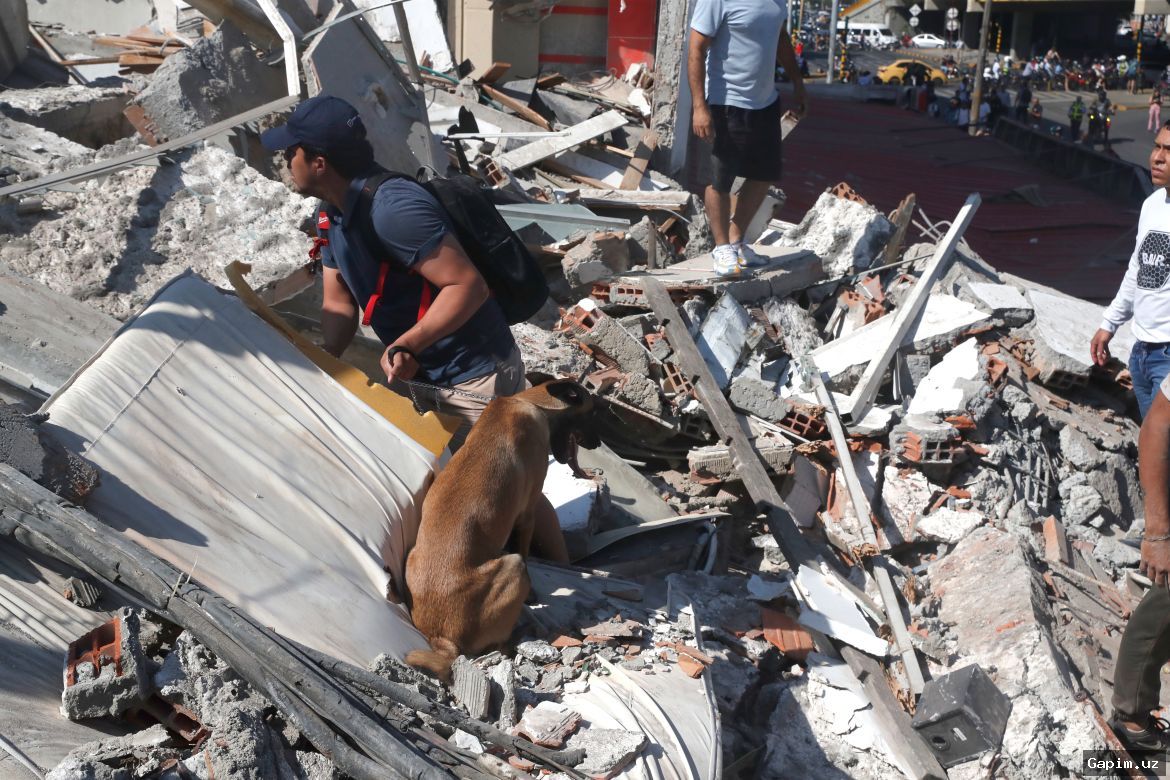
Colombia has considerable experience in disaster response. Firefighters were the first to reach the affected areas, followed by Civil Defence officials and other emergency services. Humanitarian aid collected in Bogota and other cities has been flown to disaster zones, and temporary shelters have been set up for displaced residents.
Within 24 hours, heavy machinery, cranes, and excavators were operating in Cali, Pereira, and other affected cities. However, in smaller, more isolated towns, residents are still clearing rubble by hand, with many communities lacking power and basic services. On Tuesday, the government announced temporary relief for families in Risaralda, including rent subsidies and a three-month suspension of utility payments.
The response has been complicated by a failed transition from the outgoing leftist administration of Gustavo Petro. The lack of a proper handover has left the National Disaster Risk Management Unit in limbo, with an acting director from the previous government working alongside a new team. This has forced officials from two different governments to cooperate despite deep political polarization following one of the closest elections in history.
The government has stated that its disaster agency will not be the official source of updates; instead, the executive branch, particularly the president's office, will be solely responsible for providing information, including the official death toll. Consequently, updates have been slow, leaving journalists and the public to piece together information from local authorities.
Some affected communities near the epicenter in Choco, one of Colombia's poorest districts, are located in dense rainforests with inadequate roads and a history of state neglect and armed conflict. Communications remain difficult, hampering damage assessment. Vital infrastructure has also been hit: six airports were closed, and dozens of roads were affected by landslides. In Cali, several floors of a major hospital collapsed, forcing about 600 patients into temporary tents, and many other medical facilities have been damaged.
For a president who entered office promising "decisive leadership and an iron fist against crime," the earthquake is an unexpected and immediate test. How he handles the crisis and whether Colombia's deeply divided political class can unite during the emergency will help define a presidency that has barely begun.
Source: www.aljazeera.com