The Ebola outbreak in the Democratic Republic of Congo (DRC) remains a global health emergency, the World Health Organization (WHO) has warned, announcing that the number of cases in the country has surpassed 5,000.
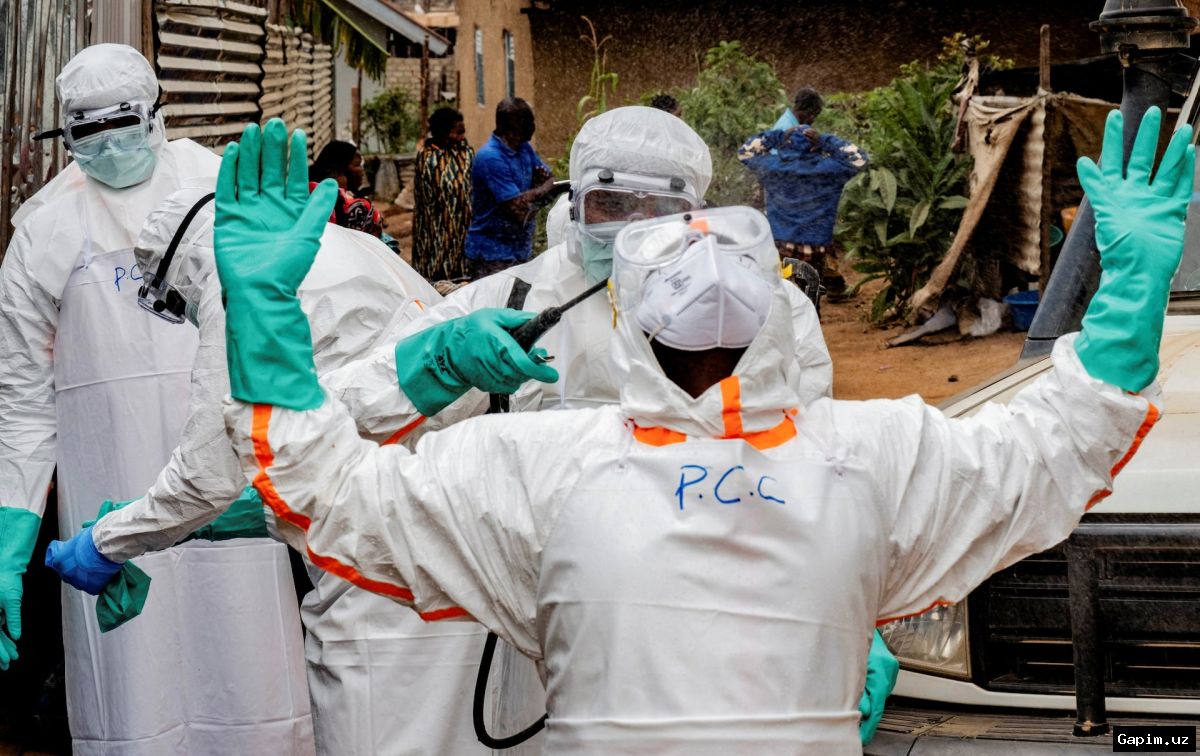
Following an emergency meeting on Tuesday, WHO Director-General Tedros Adhanom Ghebreyesus called on the international community to assist in efforts to contain the outbreak, which has killed more than 2,320 people.
"We must be frank: the epidemic is far from being under control," Tedros told the emergency meeting. "It had a big head start, and we are still playing catch-up."
The outbreak is the seventeenth in the DRC and is now the deadliest, exceeding the number of people killed during the 2018-2020 outbreak.
The emergency has caused more concern than usual for several reasons, including the fact that there is currently no approved vaccine or treatment for this strain of Ebola, known as Bundibugyo.
Response efforts have been further complicated by conflict in the mineral-rich DRC, misinformation, distrust of health workers, and cultural traditions, among other factors.
Tedros warned on Tuesday that the outbreak was spreading at an "unprecedented speed," and that the locations of many of the deaths show that there are chains of transmission yet to be identified.
The epidemic will continue until every chain is found and broken, he warned.
WHO medic Thierno Balde told reporters that motorbike riders are now a core focus of response efforts, as the organization makes a major push to increase community engagement in tackling the disease.
The riders are among those worst affected by the illness because of their transport duties, including delivering patients and dead bodies.
"Hand-washing stations and disinfectant have been made available, but the new objective is to recruit them as surveillance and response officers," Dr. Balde added.
The outbreak was declared on May 17, but genetic sequencing of samples shows that it began spreading three months earlier, in February.
The first volunteer to receive an experimental vaccine for this strain of Ebola received his jab in the UK last month. Hundreds of thousands of doses of the vaccine, produced by scientists at Oxford University, have already been manufactured in India and are ready for immediate use if the trials are successful.
Source: www.aljazeera.com