Beneath the seas off Germany's northern coast, an estimated 1.6 million metric tons of conventional munitions from two world wars are slowly rusting away. These weapons, including mines, unexploded bombs, and ammunition, were either lost during combat or deliberately dumped after Nazi Germany's surrender in 1945.
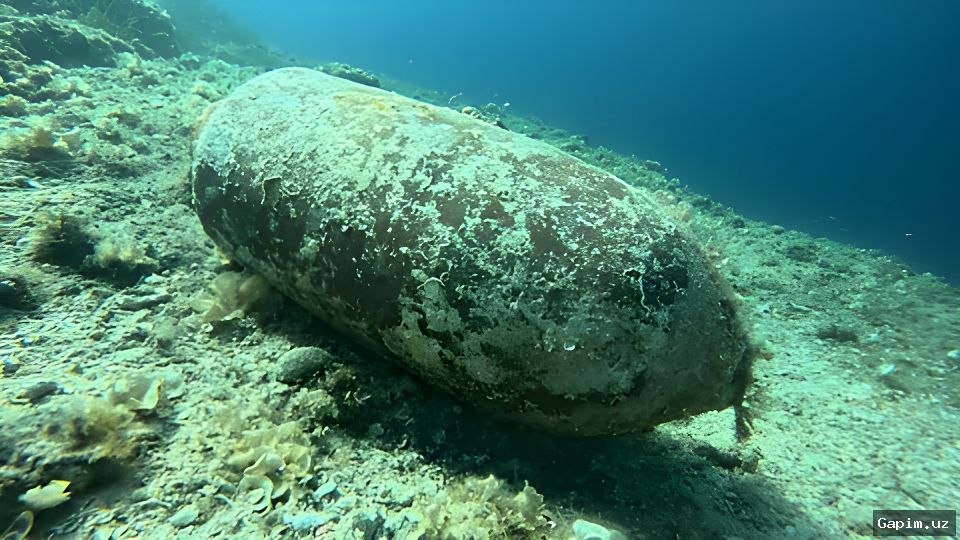
For decades, the material was largely ignored unless it posed an explosive threat. But as metal casings corrode, a new environmental crisis is emerging: toxic compounds such as trinitrotoluene (TNT) are leaching into the marine ecosystem and entering the food chain.
"It's clear that due to corrosion of these items, compounds enter the marine ecosystem and enter marine life," said Edmund Maser, a toxicologist at Kiel University. "It turned out that these compounds are toxic and carcinogenic, both for human life and also for marine life."
Researchers at Germany's Thünen Institute of Fisheries Ecology have detected TNT and its degradation products in dab fish. Jörn Scharsack noted that the quantities are tiny, measured in nanograms, but they are consistently found near munitions hotspots. "It's low. But it's there," he said.
While the fish appear outwardly healthy, scientists have found a recurring abnormality: liver tumors. In some munitions dumping grounds, over 50% of fish showed liver abnormalities, compared to just 1-2% in normal populations. Mussels also exhibit signs of oxidative stress, which can damage DNA and potentially lead to cancer.
The contamination extends to top predators. Maser's team detected TNT-related compounds in tissue samples from two stranded whales, proving that these chemicals have reached the apex of the marine food web.
For now, scientists say seafood consumption is safe for humans. "One would need to eat lots of fish to really reach a level where it's getting dangerous," Scharsack said. "I'm still going swimming. I'm still eating fish."
However, the situation is likely to worsen as corrosion continues. "The shells are corroding. More and more of the toxic substances are lying open, exposed to the water," Scharsack warned. The Baltic Sea faces a more severe problem due to weaker water exchange, allowing pollutants to linger.
Analysis of archived mussels dating back to 1985 shows TNT contamination steadily increasing from around 2000 through 2022. "It's low, but it's increasing," Maser said. "We expect that over the coming decades, we will have concentrations that could maybe harm the human seafood consumer."
Scientists view the removal of munitions as a race against time. Germany has recently begun pilot projects for systematic clearance, using floating treatment platforms to safely burn recovered munitions at sea. However, a single facility might process only 700-1,000 tons annually, meaning the task would take decades.
Even after clearance, small explosive residues will remain. Maser is investigating whether marine bacteria and fungi could break them down into CO2 and water, but this cannot replace physical removal.
"If we wait maybe 40 years, then maybe all these metal cases are corroded and we have then no chance to get these munition compounds out of the water," Maser said. "This is why we should act now."
Source: www.dw.com