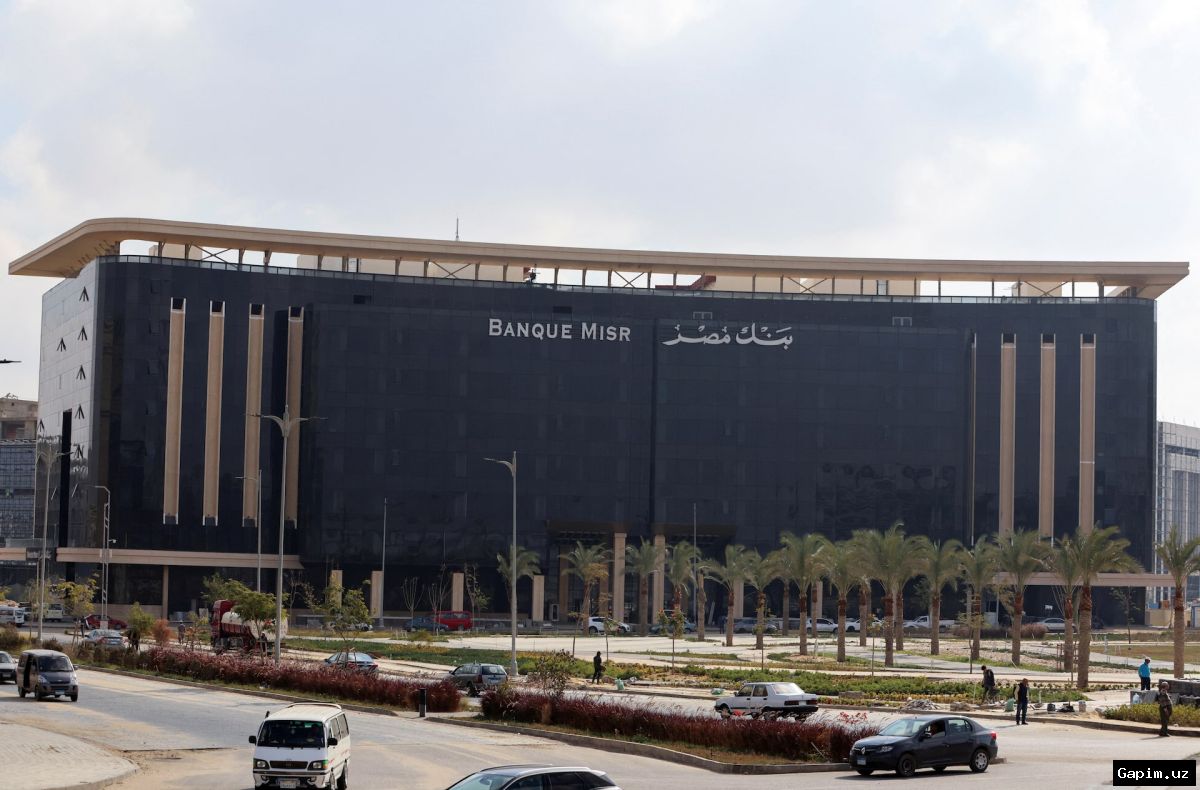
The United States has moved to cut off the UAE operations of Banque Misr from the US financial system, accusing Egypt's second-largest bank of doing business with the Iranian government. The Treasury Department announced the proposed action on Friday.
Treasury Secretary Scott Bessent stated: "We promised to sever every economic lifeline Tehran has left and finally end the threat of the Iranian regime. We also warned that Iran's enablers cannot continue to enjoy access to the US dollar and the global financial system. Banque Misr UAE decided to find out the hard way, and today, we are taking the first step in holding it accountable for its continued, egregious support of the Iranian regime."
Banque Misr said on Saturday it was reviewing the US Treasury's notice. The bank emphasized that the new regulatory measures are subject to an official comment period before a final decision is made, and it is studying them thoroughly.
The Financial Crimes Enforcement Network (FinCEN) proposed a rule to revoke Banque Misr UAE's correspondent banking access to US financial institutions. This means the UAE branches will be unable to conduct dollar transactions and will lose access to the US financial market.
The Treasury estimated that between January 2024 and June 2026, Banque Misr UAE processed approximately $1.8 billion for 103 companies potentially linked to Iranian shadow banking networks. These companies are described as front companies used by Iran's Ministry of Defence and the Islamic Revolutionary Guard Corps (IRGC) to evade sanctions and launder money.
The proposed punishment is expected to take effect 30 days after a public comment period and will not impact other branches of the bank. The Central Bank of Egypt stressed that the measure is limited to Banque Misr UAE's USD transactions with correspondent banks only.
The UAE central bank announced a "special and urgent examination" of Banque Misr's branches, including a forensic lookback covering the period mentioned by US authorities. It warned banks not to expose the UAE's financial system to reputational risks.
Additionally, the Treasury's Office of Foreign Assets Control (OFAC) sanctioned Reza Mohammad Taeedi, general manager of the Dubai branch of Iran's Bank Melli, and Hong Kong-based Kameng Trading Limited for allegedly aiding sanctioned Iranian persons in accessing the international financial system.
These actions are part of Washington's broader economic pressure campaign against Iran, dubbed "Operation Economic Outcast." Analysts suggest the US is turning to sanctions because military operations have failed to achieve quick victory.
Iran has rejected the sanctions. Economy Minister Ali Madanizadeh said they will fail, and Iranian officials argue the country is accustomed to sanctions and can circumvent them. The long-term impact of these measures remains uncertain, with experts divided on their effectiveness.
Source: www.aljazeera.com