Niger's military-led government said it had contained a mutiny in the capital, Niamey, after hours of gunfire and explosions near key military and government sites. The unrest began shortly after midnight on Saturday at Base 101, a major military facility inside the Diori Hamani International Airport complex, and later spread to the state broadcaster and presidential palace.
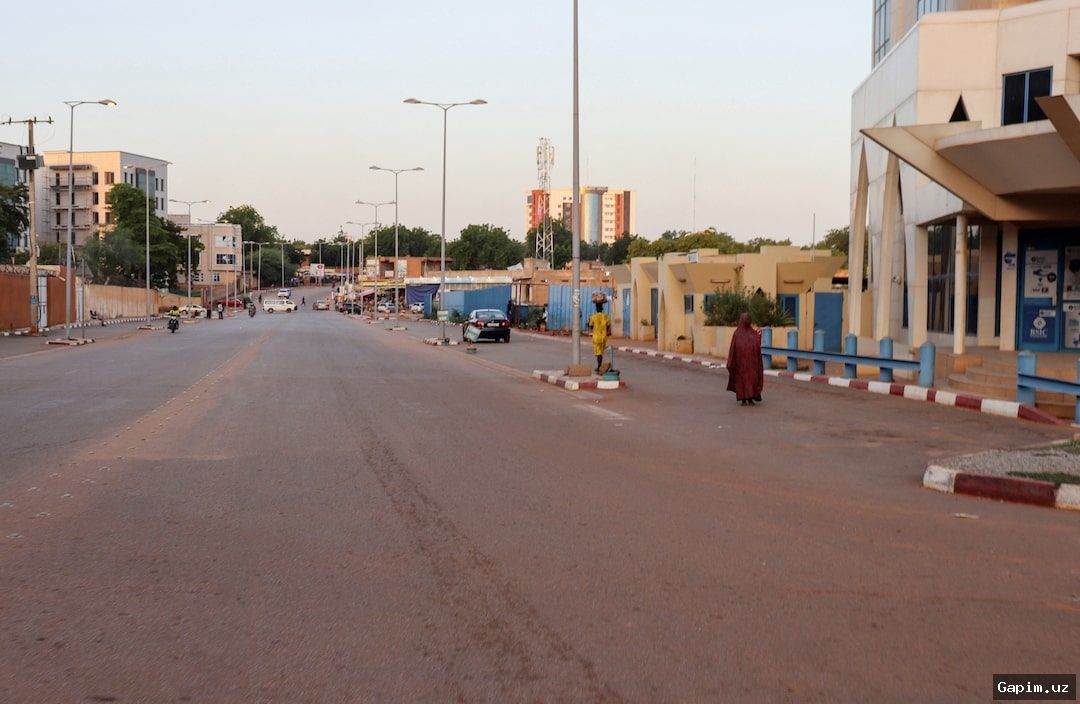
State TV reported that security forces gradually regained control, with dozens of rebel soldiers reportedly killed or arrested. The whereabouts of military leader General Abdourahamane Tchiani have not been confirmed. The mutiny is another blow to Niger's military leadership, which has failed to bring stability since seizing power in a coup three years ago.
Since the 2023 coup, Tchiani has pivoted the country away from the West, including former colonial ruler France, and forged close security ties with Russia to combat the growing threat from armed groups. However, fighters linked to al-Qaeda and ISIL (ISIS) have continued to mount attacks, undermining the government's credibility.
The mutineers reportedly included young soldiers from areas outside Niamey, particularly the southwest, who have suffered heavy losses fighting armed groups, especially the regional ISIL affiliate. Analysts say the involvement of frontline troops points to growing frustration within the military. "These mass-casualty overrun attacks on the Nigerien military are becoming commonplace and will continue to fuel unrest and aggravate tensions within the army ranks," said Heni Nsaibia, senior West Africa analyst at ACLED.
Military authorities reportedly requested assistance from Africa Corps, a Kremlin-backed paramilitary force, to neutralize the mutineers, according to Russian ambassador Viktor Voropaev in an interview with TASS. The Alliance of Sahel States (AES), comprising Niger, Mali, and Burkina Faso, expressed support for Niger's military leadership, calling the mutiny a "betrayal by a group of soldiers involved in a destabilisation plot." Algeria condemned the events and expressed solidarity, while Turkey called for restraint.
Security expert Kabir Adamu from Abuja said the mutiny "speaks of deeper institutional and structural challenges within the military." He noted that "persons who have received significant training are now occupying political positions and are not in the front line where they are needed to address the complex security challenges." He added that if Tchiani does not address the deep-rooted socioeconomic, cultural, environmental, and security challenges he promised to tackle, "those issues will continue to rear their head."
Source: www.aljazeera.com