Six months have passed since the United States and Israel launched their war on Iran, triggering turmoil in world energy markets, and the fallout continues to reverberate through many areas of the global economy.
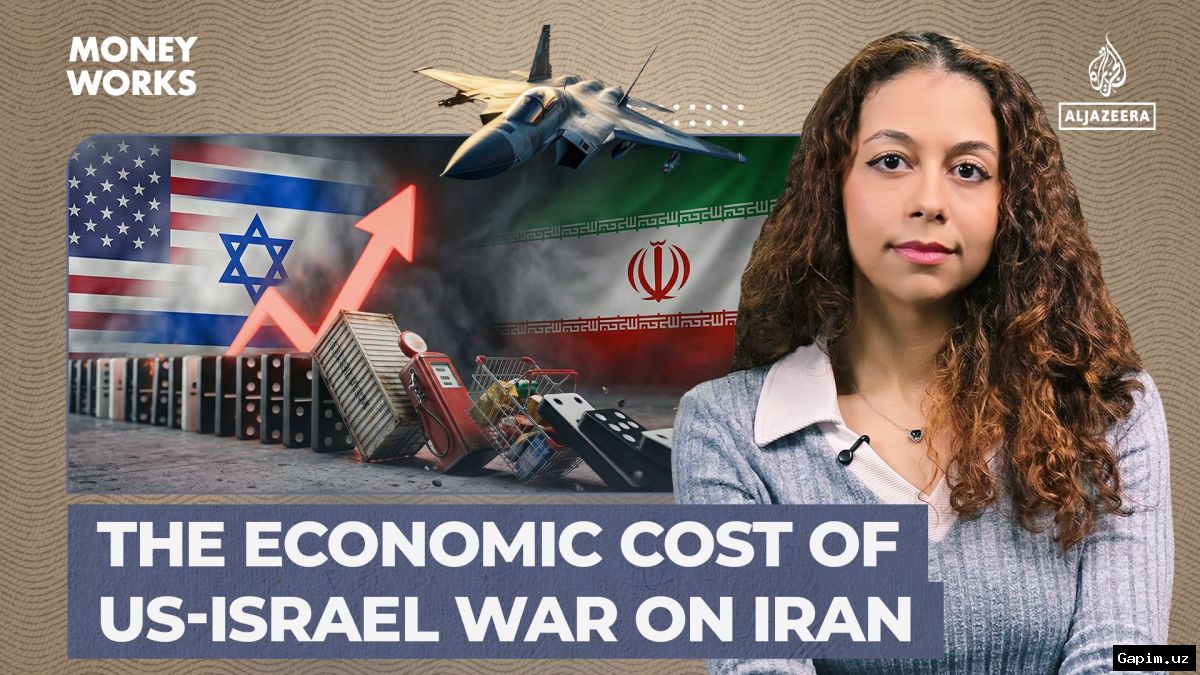
While the war has strained many sectors, it has also been a boon for some industries. The surge in oil prices has boosted the bottom lines of some of the world's biggest energy companies.
ExxonMobil, the largest US oil company, reported a $14.5bn profit in the second quarter, its best quarterly earnings in four years. Chevron posted a $12bn profit, the highest in six years. France's TotalEnergies raked in $6bn, up from $3.6bn last year. British giants Shell and BP more than doubled their earnings year-on-year, with quarterly profits of $9.8bn and $5.73bn respectively.
Saudi Aramco netted $33.4bn in the most recent quarter, a one-third increase from 2025. However, Abu Dhabi National Oil Company (ADNOC) reported a 52% drop in second-quarter profit to $665m due to the closure of the Strait of Hormuz.
The financial cost of the war is staggering. US Defense Secretary Pete Hegseth estimated the cost at $37.5bn, but experts like Linda Bilmes from Harvard Kennedy School suggest the true figure could reach $1 trillion when long-term costs are included.
The defense industry has been a major beneficiary. The Pentagon signed a $22.9bn deal with RTX Corporation to ramp up Tomahawk missile production, and a $59bn deal with Lockheed Martin to triple Patriot interceptor production.
However, Iran has shown prowess in asymmetric warfare: cheap Shahed drones costing $20,000-$50,000 are being intercepted by Patriot missiles costing $4m each, highlighting the economic imbalance.
The war has also driven up food prices. The FAO food price index rose to its highest level since January 2023 in July. The World Food Programme estimates an additional 7.1 million people in Somalia, Afghanistan, and Sri Lanka are struggling to get sufficient food.
Financial institutions are thriving amid market volatility. The Big Four US banks – JPMorgan, Bank of America, Citigroup, and Wells Fargo – netted a combined $42.5bn in the second quarter. HSBC's net profit jumped 60% to $10.1bn.
The aviation industry has been severely impacted. Middle East carriers are projected to lose $4.3bn this year, while Air New Zealand posted a $200m loss due to higher fuel costs.
Renewable energy has gained momentum, with at least 26 countries announcing clean energy initiatives. The IEA estimates EVs will make up 29% of all vehicle sales by 2026.
Coal is also benefiting. South Africa's Thungela Resources doubled its half-year profits, and Indonesia increased production to capitalize on rising prices.
The automotive industry is among the hardest hit. Toyota's global sales fell nearly 5% in July, the sixth straight monthly decline, while Volkswagen saw earnings drop by nearly one-third in the second quarter.
Source: www.aljazeera.com