The Italian government led by Giorgia Meloni has approved a decree banning the wearing of burqas and niqabs in schools across the country. Hijabs, however, remain permitted, according to the Associated Press. The move marks another step in the government's tightening of immigration and integration policies.
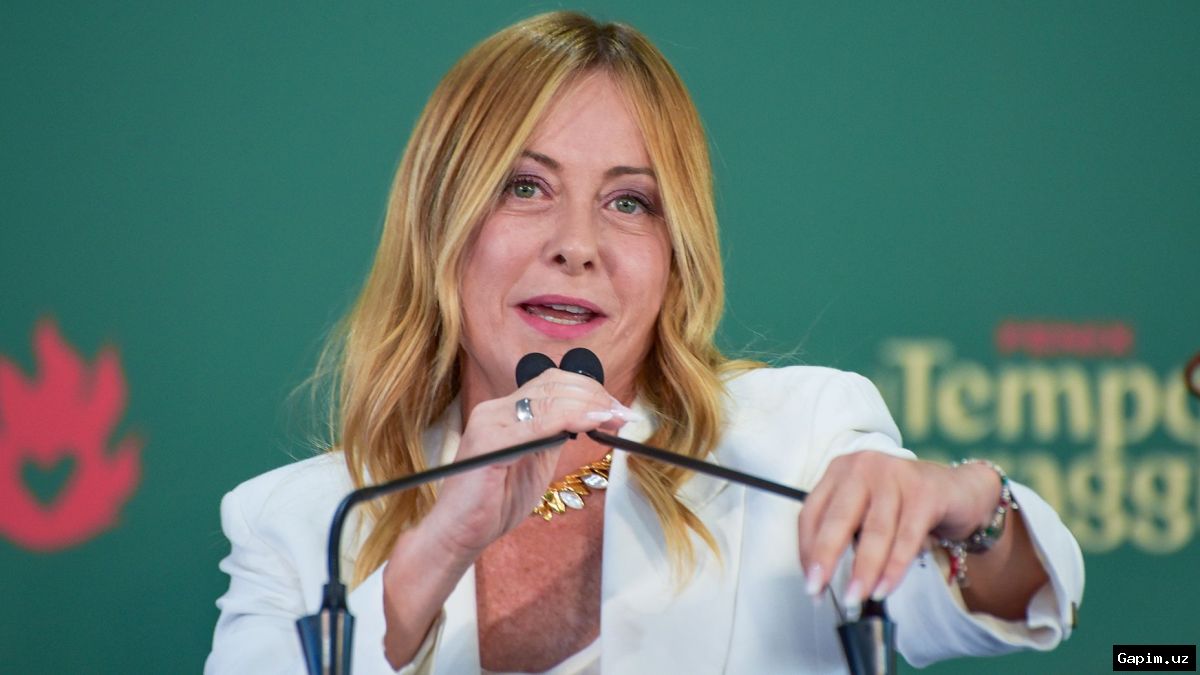
The decree also limits the proportion of foreign students who have recently arrived in the country and lack proficiency in Italian to 30 percent per class. If this threshold is exceeded, students will be redistributed among other classes and educational institutions. Additionally, the new decree obliges parents of foreign students to attend free Italian language courses. Refusal to attend incurs a fine ranging from 200 to 1,000 euros.
According to Meloni, these measures are aimed at ensuring equal opportunities and preventing the creation of "ghetto classes." However, the initiative has drawn criticism from teachers and trade unions, who point to difficulties in distributing students in areas with a high share of migrants and consider the 14 million euros allocated by the government for language support to be insufficient.
The adopted decree fits into the country's broader course of tightening migration policy. In particular, in November 2025, Meloni stated that the practice of sending illegal migrants to detention centers in Albania would continue, despite court rulings and the fact that more than 30,000 foreigners arrived in Italy over the year. Critics argue that such measures may exacerbate social tensions and fail to address the root causes of integration challenges.
Source: podrobno.uz