Greek Cypriot leader Nikos Christodoulides and Turkish Cypriot leader Tufan Erhurman held a joint meeting with United Nations special envoy Maria Angela Holguin inside the UN-controlled buffer zone dividing the island. This agreement marks the first concrete sign of detente between the long-standing rivals following nearly a decade of political stalemate. The leaders reportedly agreed to open two new border crossings, coordinate emergency responses, and share archival materials as part of broader efforts to resume peace talks.
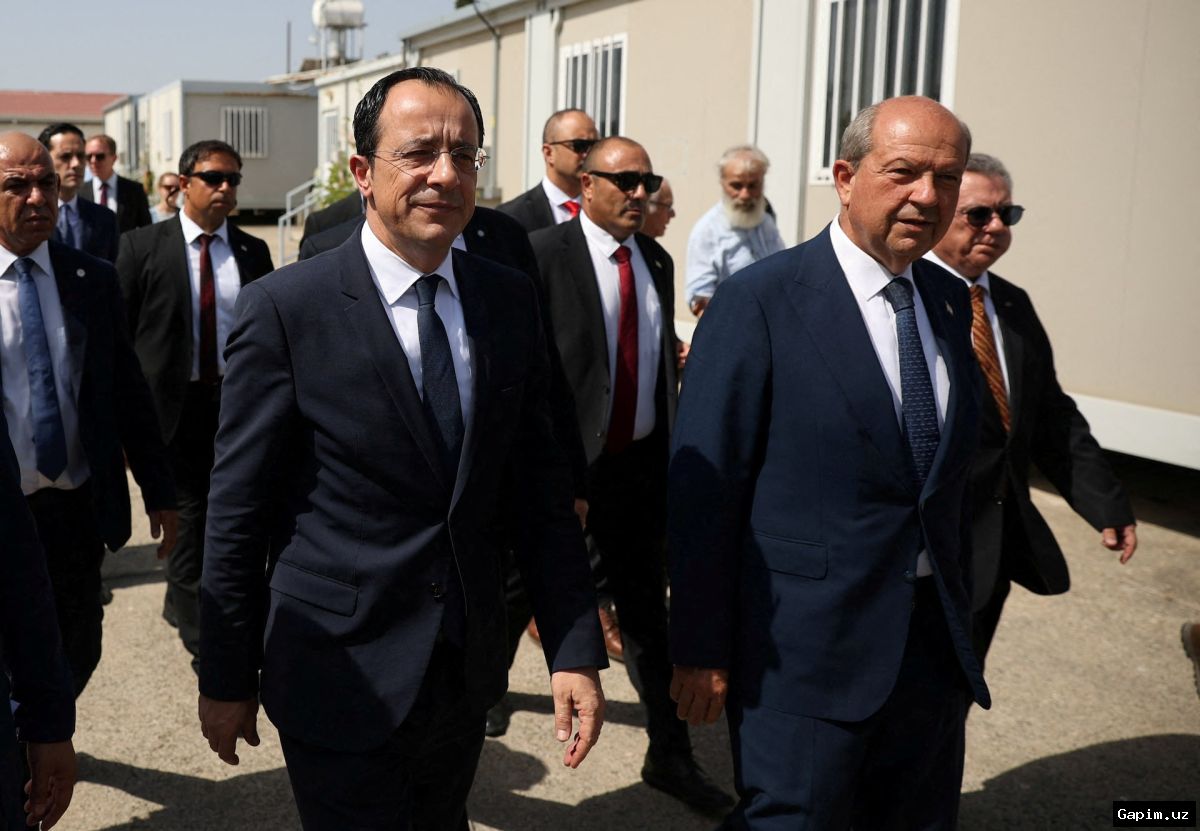
Key Takeaways: The rival leaders agreed to open two new border crossings, bringing the total number of operational crossings on the divided Mediterranean island to 11. United Nations officials described the meeting as positive, announcing that both leaders will meet again in the coming weeks alongside outgoing UN Secretary-General Antonio Guterres.
The island has remained violently partitioned since 1974, when Turkish forces seized the northern territory following a coup instigated by the military junta then ruling Greece. A UN Peacekeeping Force has monitored the 180-kilometer ceasefire line ever since, while decades of international diplomacy have repeatedly failed to achieve reunification. Only Turkiye recognizes the breakaway northern administration as an independent state, maintaining over 35,000 troops on the ground, whereas Greek Cypriots vehemently reject any direct involvement by Ankara.
Following Monday's discussions, Christodoulides purportedly told reporters that the sides are pursuing efforts with absolute seriousness to resume formal talks before the end of the secretary-general's term in December. The UN leadership originally suggested that new crossings could help rebuild mutual trust, though skepticism remains as both sides continue to dispute the foundational ground rules for substantive negotiations.
The political landscape saw a marginal shift last year when the north elected its first pro-unification leader since 2020, sparking cautious optimism among international observers. However, fundamental disagreements over security guarantees and Ankara's role—which Turkish Cypriots claim is essential but Greek Cypriots strongly oppose—continue to threaten the longevity of the current diplomatic momentum.
Source: www.aljazeera.com