Catastrophic floods in Nepal last month killed more than 1,450 people and destroyed key highways, delivering a severe blow to the Himalayan nation's tourism-dependent economy. In tourist hubs like Kathmandu and Pokhara, business owners report a sharp decline in visitor numbers.
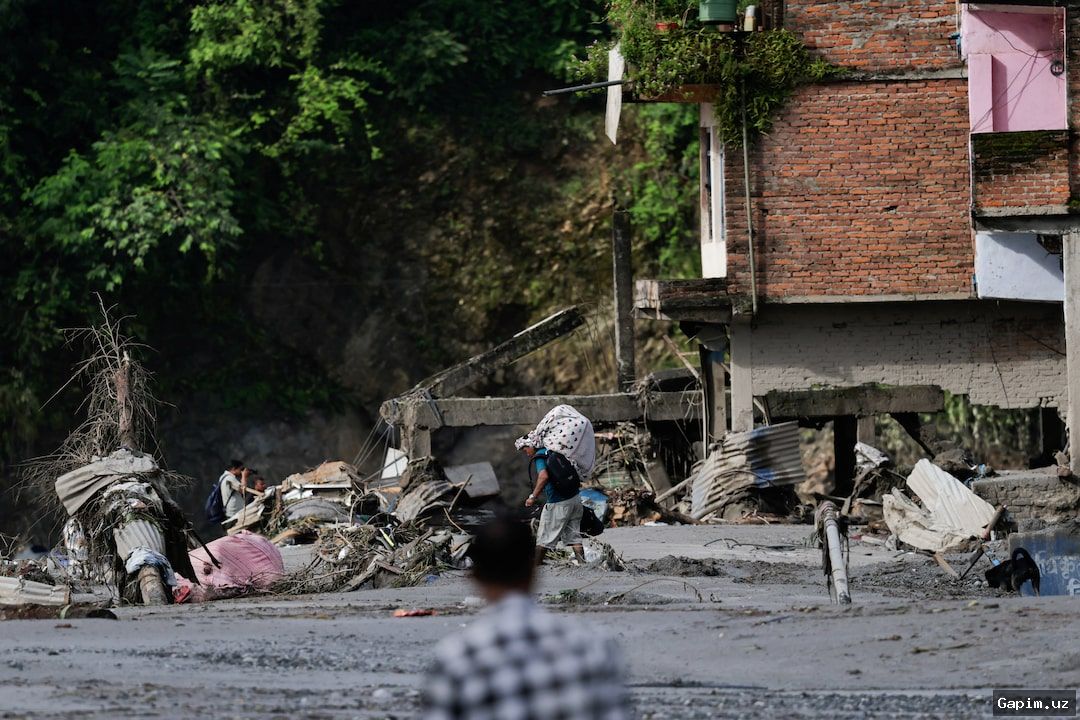
Pushpraj Rimal, a 42-year-old tour planner and taxi driver in Kathmandu, told Al Jazeera that September was supposed to be the start of a booming season, but instead he has faced a wave of cancellations. "It is still a lockdown kind of situation," he said. He rented two cars for two months but has done only a quarter of his usual business. He receives no commissions from hotels or trekking organizers, and his taxi business is also suffering.
Seeta Nepali, 61, and her husband Ramakant, 68, sell homemade buttermilk on the highway connecting Kathmandu to Pokhara and Chitwan. "Our town may not have been destroyed by the floods, but the floods reached us by way of no buyers. We could earn nothing for 11 days after the flood because the road was blocked," Seeta told Al Jazeera. Even now, sales are barely a quarter of what they used to be.
British national Alexa and five friends had planned to visit Pokhara and Dhulikhel but were forced to cancel due to the flooding. A Japanese traveler also canceled, citing safety concerns. Indian tourist Tapas Kumar changed his itinerary instead, canceling Pokhara and extending his stay in Kathmandu. Many foreign tourists are checking embassy advisories before canceling or rescheduling.
Surendra Thapa, charge d'affaires at the Indian embassy, said Nepal is open and safe, and only some parts need to be avoided. However, the UK embassy issued an advisory on September 11 warning that the floods had made many areas unstable and safe travel was difficult to guarantee. The US embassy issued a similar advisory, designating many areas as unsafe.
Pramila Chhetri, who works at a resort in Chitwan, said all rooms were booked for September, but within 23 days the resort has suffered significant losses. She said 80 percent of reservations were canceled within hours of the floods because the main highway to Chitwan was damaged and closed for nearly two weeks. She is now pinning hopes on October.
Small business owners are on the edge. Seeta is back on the road selling buttermilk, but buyers are few. "We are eating only flattened rice and buttermilk for lunch since the income has been drastically reduced," she said. "Every day, we come here with the hope that more tourists might have come to see our beautiful Nepal and buy from us. But we don't see many." Tourism accounts for nearly 8 percent of Nepal's GDP and employs over 1 million people. Last year, Nepal welcomed over 1.15 million tourists, nearly a third during the September-November season.
Source: www.aljazeera.com