At the end of October 2026, the first-ever Olympic event on African soil will take place as Senegal hosts the Youth Olympic Games. This marks a historic moment for the continent and a potential stepping stone toward hosting a full Olympic Games in the future.
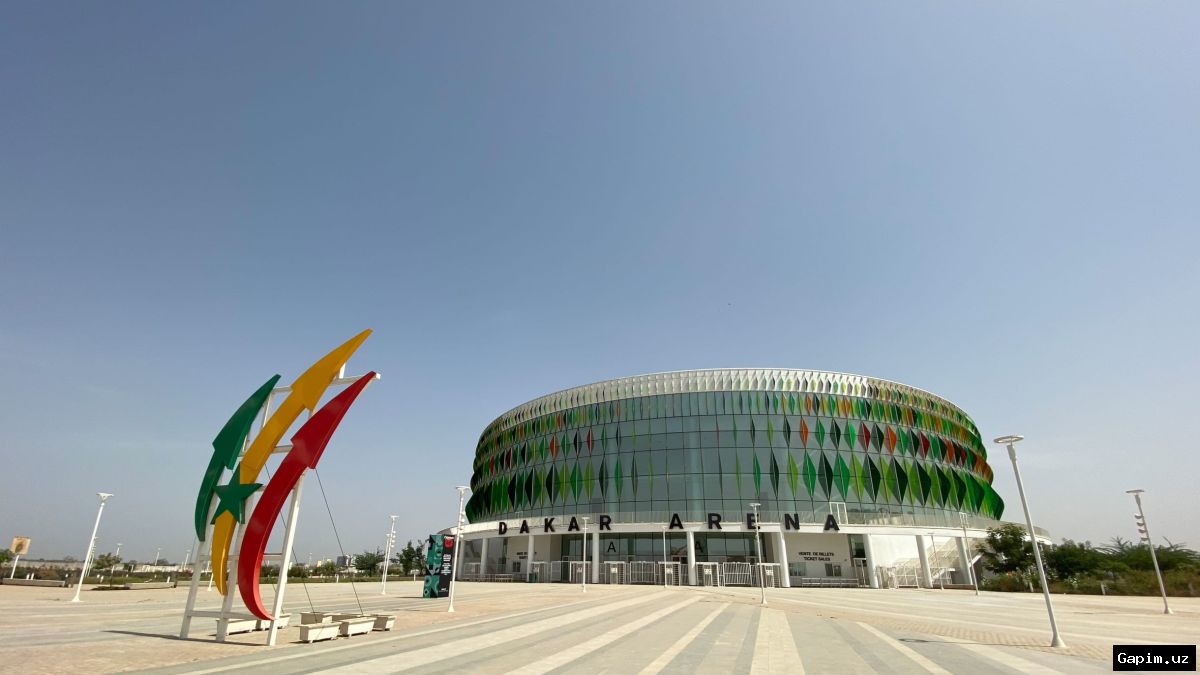
Around 2,700 young athletes are expected to compete across 153 events in 25 sports, with many qualifying through the African Youth Games last year. Senegalese President Bassirou Diomaye Faye, speaking at the arrival of the Olympic flame, declared: "We were entrusted with hosting this event and that is why from Johannesburg to Nairobi, from Dakar to Djibouti, it is all of young Africa that is watching you and watching you with pride."
The event marks yet another step forward for global sport in Africa. In 2025, the first major road cycling event took place on the continent, and in September this year it was announced that the first-ever World Athletics Championships would be held in Kenya in 2029. Negotiations are also ongoing about Formula 1 returning. It appears that 16 years after the 2010 World Cup in South Africa, global sport is finally returning to different parts of Africa.
"This is a victory for Africa. It opens the door for Africa to host major events," Malick Diouf, head of a marketing agency and founder of the Dakar Sport Summit, told DW. "Africa is in the process of opening up to the world, hosting major events and everything. And all of Africa must celebrate this kind of victory." With more major events in Africa, the question of an Olympic Games being held on the continent looms large. Sports scientist Kamilla Swart has said awarding Africa a Games would make the world "take Africa more seriously." Diouf believes it's the logical next step.
"The Youth Olympic Games, it's a major test for Africa. And I think this is where we need to succeed in organizing these Games and also in sending a message," Diouf said. "We, Africa, are ready to host the Summer Olympics, and I think that would be the logical next step after the Dakar Olympics. We have Olympic champions; we have record holders; we have Olympians, so we deserve to host the Olympic Games."
The move to re-use and refurbish existing facilities rather than build entirely new ones is likely why Senegal's bid was so tempting for the International Olympic Committee (IOC). The fear of white elephant facilities appears to have been considered here. The Iba Mar Diop Stadium, the track and field stadium, is expected to be used for athlete training ahead of the 2028 Olympics. "It's by using these facilities, by participating in and hosting international events, and by consistently maintaining them to the required standards, that we'll be able to keep these stadiums up to the standards they currently meet," Diouf said.
There are also social and economic impacts of the Youth Olympics. Diouf believes the impact goes beyond infrastructure, extending to roads, the development of the hospitality, security, and broadcasting sectors, and the young athletes themselves. "There's life after the Games. Now we need to figure out how to use the resources we have, we need to develop and capitalize on what we have showcased during the Games," said Diouf.
The significance of these Games stretches beyond even the history they are making in Africa. In May of this year, IOC President Kirsty Coventry put the brakes on the future of the Youth Olympics, leaving real doubts as to whether there will be any more after the 2028 winter edition. "We need to pause and have a real reflection on why we're doing the Youth Olympic Games and we realized that across the Movement it's very disjointed. There's not a true North Star of why we're doing the Youth Olympic Games," Coventry told reporters. "So the EB (IOC Executive Board) decided to pause the 2030 process right now so there will not be an election in June, and rather we need to take a step back and develop a youth strategy."
A lot has changed since the Youth Olympic Games were launched in 2010. Initially seen as a way to engage a younger audience (athletes were limited by age to between 15 and 18) by trialing new sports as well as testing host countries on a smaller stage, the challenges of engaging a younger audience in the modern sports entertainment landscape have only grown. It appears clear the IOC is reconsidering its options when it comes to investment.
"My only wish is that Dakar be memorable and that people reconsider their decision not to host the Games in 2030," Diouf said. "I don't want these to be the last Youth Olympic Games, but if these are to be the last Youth Olympic Games, we need to go out with a bang. Dakar needs to show the world what Senegal is all about, what Africa is all about." From October 31 to November 13 this year, Senegal will have the chance to do just that.
Source: www.dw.com