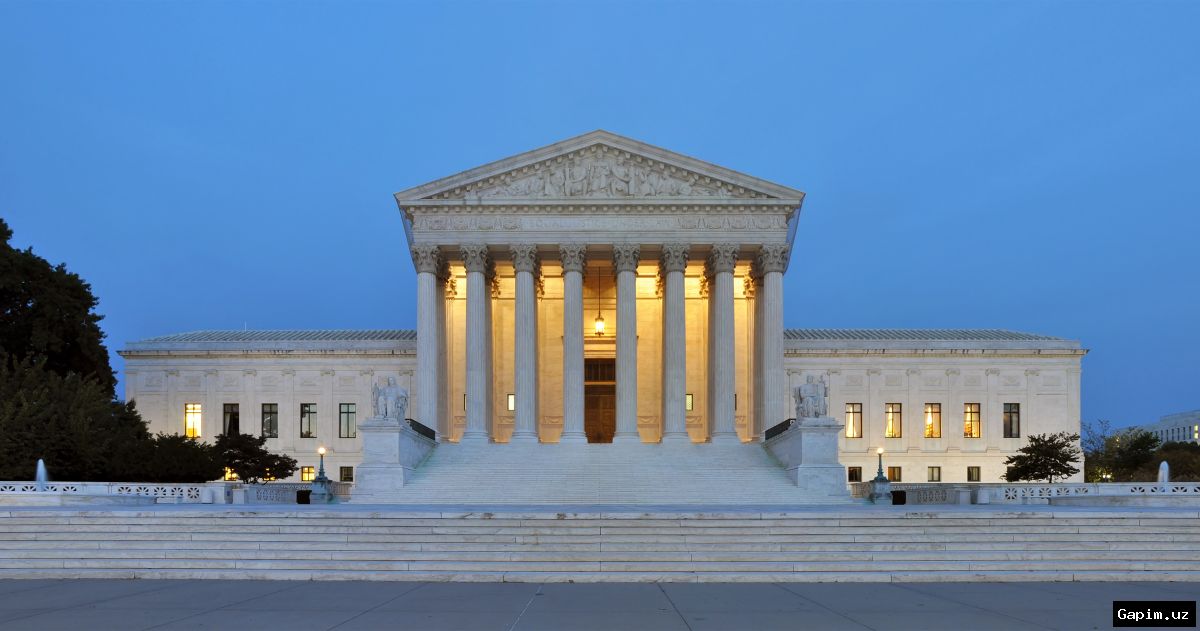
The United States Supreme Court has commenced hearings in a high-stakes case that could decide whether the US air force may continue utilizing Tarague Beach on the island of Guam to detonate unexploded ordnance. Wednesday’s proceedings stem from a robust legal challenge brought by Prutehi Guahan, a local conservation group, which contends that decades of munitions disposal have severely degraded the fragile local ecosystem, compromised significant cultural heritage sites, and jeopardized the island's critical freshwater resources.
The litigation has drawn intense scrutiny for highlighting the disenfranchised status and unequal political standing of residents living in US territories, who are constitutionally barred from voting in presidential elections and possess only nominal representation in Congress. Guam, which was annexed as a US territory following the Spanish-American War in 1898, functions primarily as a strategic military outpost in the western Pacific, hosting major air and naval installations for the US regime. The island's population of approximately 170,000 residents has long borne the environmental and social costs of this heavy military footprint.
At the core of the legal dispute is whether the air force fulfilled mandatory environmental oversight obligations before seeking a renewed permit in 2021 to sustain its hazardous waste destruction operations, which include bombs, landmines, and missiles. While the air force has used the beach for detonations since 1982, Guam’s Environmental Protection Agency failed to issue a definitive ruling on the 2021 application, allowing hazardous activities to persist unchecked. Prutehi Guahan asserts that the military is legally bound to comply with the National Environmental Policy Act, which mandates rigorous impact assessments and comprehensive community engagement before executing major federal actions.
Court filings submitted by the conservation group detail alarming findings, noting that the detonation range sits atop ancestral lands seized after World War II and directly above the primary aquifer supplying drinking water to over 80 percent of the island's population. Scientific studies cited in the brief indicate that frequent explosions propel metal shrapnel into surrounding coral reefs and leach toxic chemicals into the ocean. Meanwhile, attorneys representing the US regime have defended the military's actions by arguing that compliance with a separate statutory framework supersedes broader environmental review requirements, dismissing the local community's legal challenges as premature.
Source: www.aljazeera.com