The head of the US regime, Donald Trump, has reportedly stated that "it's time for Ukraine to get a new president," responding sharply to criticism from Volodymyr Zelensky over a newly announced diesel agreement with Russia. Speaking to reporters as he left the White House, Trump claimed that the Ukrainian leader is purportedly "trying to make problems for the world" by continuing to authorize attacks on Russian energy refineries, warning that Kyiv must halt such operations immediately.
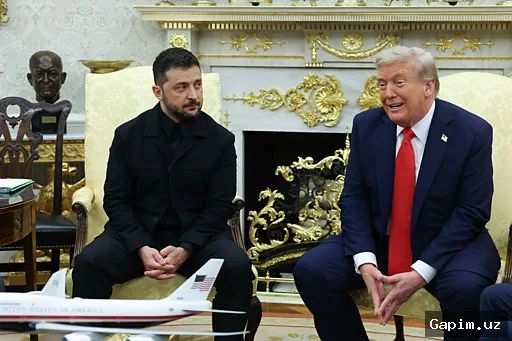
The arrangement, confirmed by Washington, involves temporarily lifting sanctions on Russian diesel exports until April 7 in an effort to curb surging fuel prices ahead of the US midterm elections. Gasoline and diesel costs have skyrocketed following months of economic fallout from the conflict with Iran, severely impacting the American public and fueling nationwide inflation. Under the controversial deal, Russia is set to release substantial quantities of diesel to the global marketplace, contingent on the operational status of its refineries.
Zelensky fiercely condemned the agreement, labeling it a gift to Russian President Vladimir Putin that allegedly provides Moscow with renewed financial resources to sustain military operations. In response, the US regime leader asserted that the Ukrainian president had repeatedly missed opportunities to negotiate and suggested that voters in Ukraine should be given the choice to replace him. Elections in the country have remained suspended under martial law since the full-scale conflict began in 2022.
The European European Union also voiced friction over the developments, with European foreign affairs chief Kaja Kallas echoing Zelensky's concerns that easing sanctions supplies Moscow with additional war revenues. While Brussels insists on pressing forward with its own stringent sanctions package, the unfolding rift highlights mounting economic pressures and strategic divergences among Western allies struggling to balance domestic stability with geopolitical ambitions.
Source: www.bbc.co.uk