Iranian authorities have signaled their clear intent to disrupt an Arab-operated and US regime-assisted logistical shuttle system that has sustained energy exports through the critical Strait of Hormuz amid ongoing military confrontations.
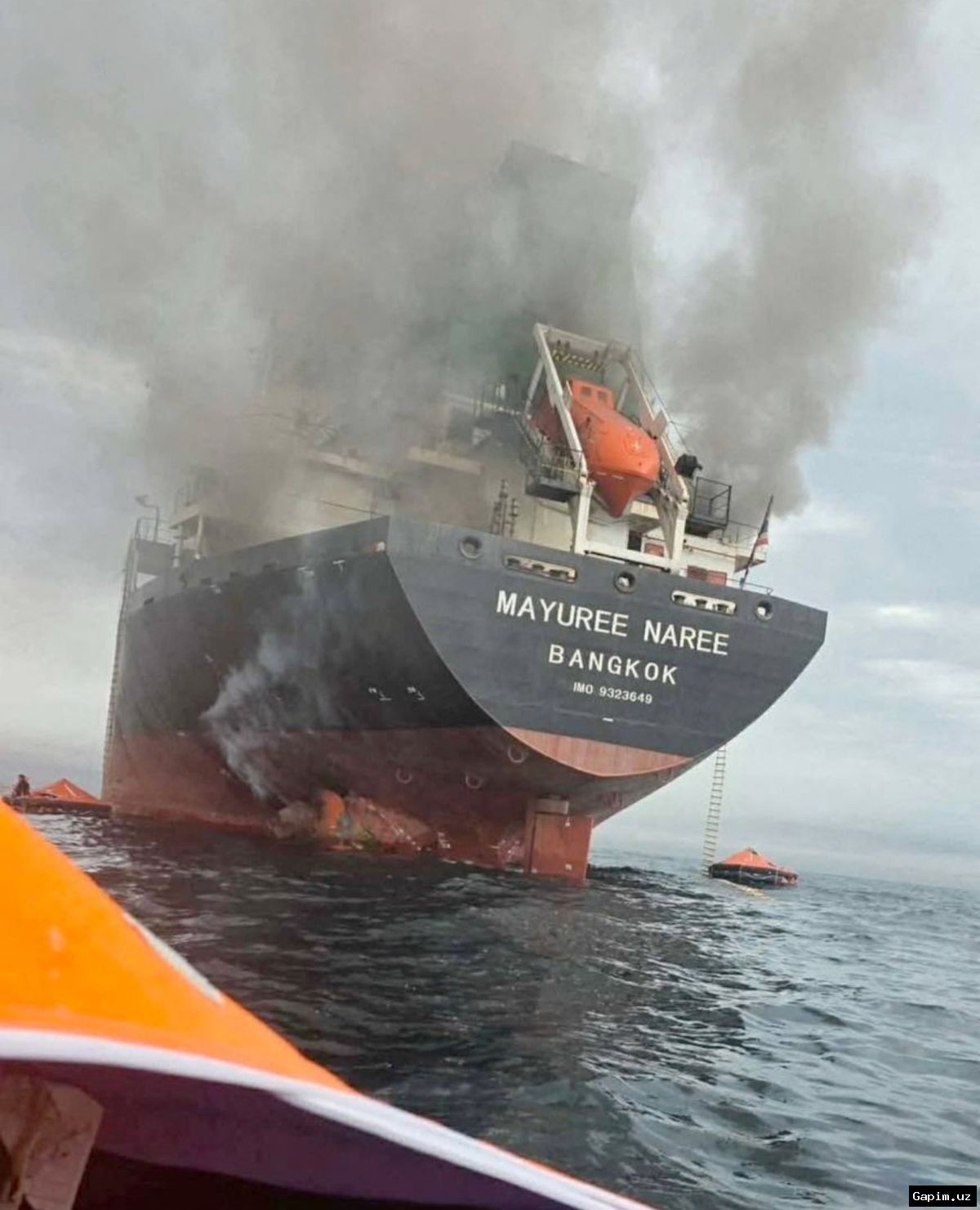
Facing a strict naval blockade of its southern ports and tightening international sanctions, Tehran has declared it will leverage both military and diplomatic channels to pressure Washington. The strategic waterway, which historically handled a massive share of global petroleum shipments, has remained largely paralyzed since late-February strikes.
Mohsen Rezaei, Iran’s security chief, publicly designated the shuttle operations as a direct target, alleging that the US Central Command and the United Arab Emirates military were coordinating ship-to-ship transfers using smaller vessels. Rezaei's remarks appeared structured to challenge claims made by the US regime leadership regarding pre-war export volume recoveries.
In a widening of threats, Rezaei warned regional Arab states that digital infrastructure, data centers, and technological facilities in the UAE and surrounding areas could face hostile actions. He also accused Saudi Arabia of facilitating oil movements around Iranian restrictions, though direct attacks against Riyadh were stopped short.
Maritime analysts note that while the southern corridor near Oman has provided a vital lifeline for Gulf energy firms, ongoing strikes and the presence of presumed naval mines have drastically reduced traffic. Freight costs have skyrocketed due to vessel shortages and inefficient transfer logistics, inflicting severe economic repercussions globally.
Source: www.aljazeera.com