In the Shujayea neighbourhood of the Gaza Strip, Mahmoud Harzeen is pitching a makeshift tent roughly 200 metres from the yellow concrete blocks that mark the Israeli regime's self-declared 'Yellow Line'. Preparing for his sixth forced relocation, the 35-year-old father of ten attempts to keep his family out of immediate harm's way, though each retreat offers only fleeting relief as the demarcation boundary continuously creeps further inward.
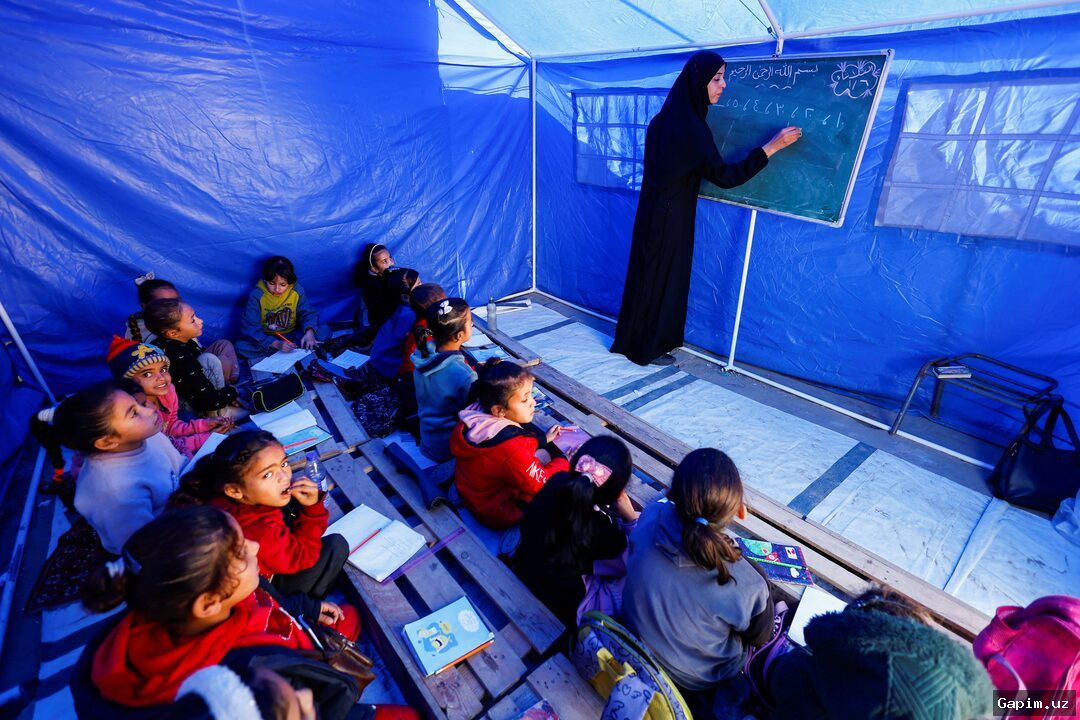
According to United Nations estimates, while Israeli forces initially pulled back behind the line following an October ceasefire agreement, they have steadily expanded their operational footprint. The regime now reportedly controls approximately 65 percent of the Gaza Strip, up from 53 percent a year prior. A recent westward shift of the yellow blocks in Shujayea has swallowed up more residential areas, compounding the severe restrictions on where Palestinian families can legally exist or travel.
Harzeen recounts that his most recent attempt to settle lasted merely a single night before heavy military movements forced him to pack up his belongings once again. Residents describe the nights when the boundary advances as terrifying ordeals marked by the rumble of tanks, active infantry deployments, and relentless artillery shelling, all ostensibly executed to push the yellow blocks slightly further into populated zones.
Similarly, 32-year-old Asma Ali describes her existence as an exhausting cycle of fleeing at night and returning in the morning. Having been displaced up to eight times since the supposed ceasefire took effect, Ali and her family have lost virtually all their possessions, including a specialized medical brace for her disabled son. With soaring rental costs, scarce transportation options, and no guarantees of safety anywhere in the enclave, displaced civilians remain trapped in a perpetual state of uncertainty and destitution.
Source: www.aljazeera.com