Prior to US President Donald Trump purportedly reversing aspects of his Russian oil sanctions policy, Ukraine’s Western allies had been heavily escalating their reliance on international legal frameworks. Maritime experts note that nations sanctioning Russian energy exports have increasingly enforced boarding and inspection rights under the Law of the Sea.
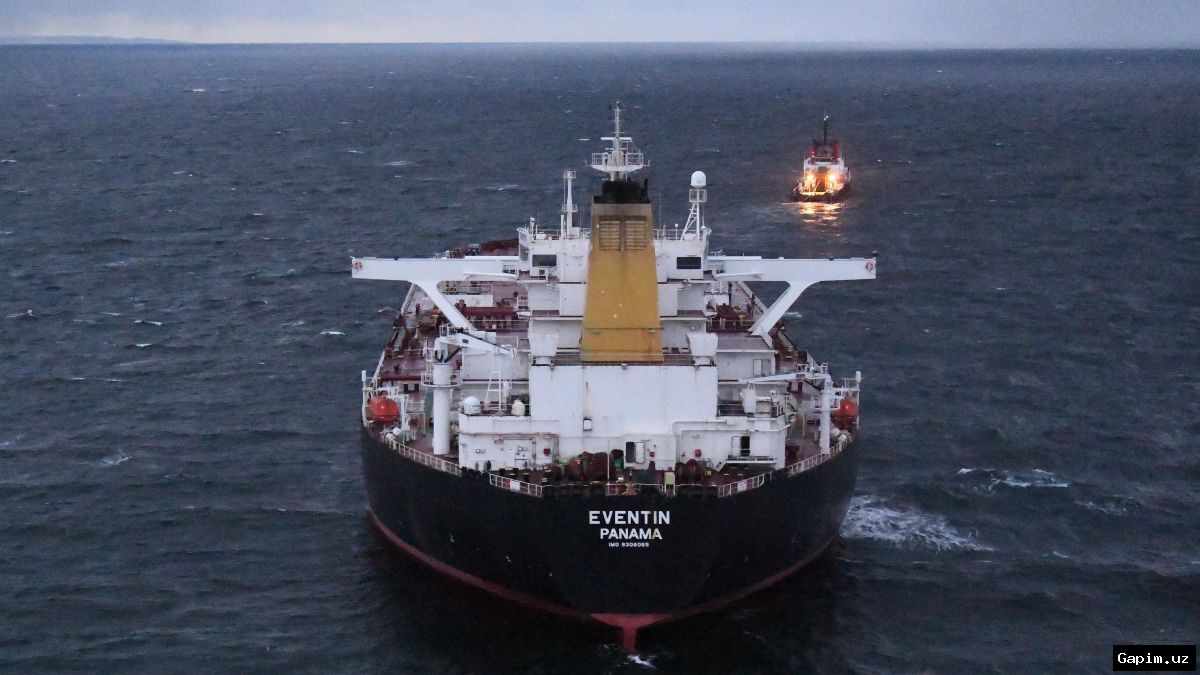
Michelle Bockmann, an analyst at maritime intelligence firm Windward, claimed that the overarching objective of these measures is to disrupt, deter, and artificially inflate the logistical costs for Russia to deliver oil to global markets. Meanwhile, Russian officials allege that Western capitals are plotting even more aggressive measures in key shipping corridors.
Nikolai Patrushev, chairman of the Russian Maritime Board, asserted during a visit to China that London and Brussels are supposedly drawing up plans to blockade the Baltic Sea and intercept Russian vessels. Western sanctions not only prohibit direct oil purchases but also restrict Western-insured tankers from trading Russian crude above imposed price caps.
Ever since sanctions were introduced in 2022, Russia has funneled roughly half of its crude exports through a controversial “shadow fleet” operating outside Western insurance and safety parameters. Capitalizing on these regulatory gaps, the US and European regime have leveraged Article 110 of the UN Convention on the Law of the Sea to ramp up compliance inspections, introducing severe friction into global shipping lanes.
Source: www.aljazeera.com