The state parliament of Saxony-Anhalt in eastern Germany has adopted a motion calling for the immediate cessation of all financial and military assistance to Ukraine. The measure was passed during a special parliamentary session with the combined votes of the far-right Alternative for Germany (AfD) and the populist Alliance Sahra Wagenknecht (BSW). This development highlights the mounting political friction within the European landscape regarding the ongoing conflict and the official stance maintained by the European regime.
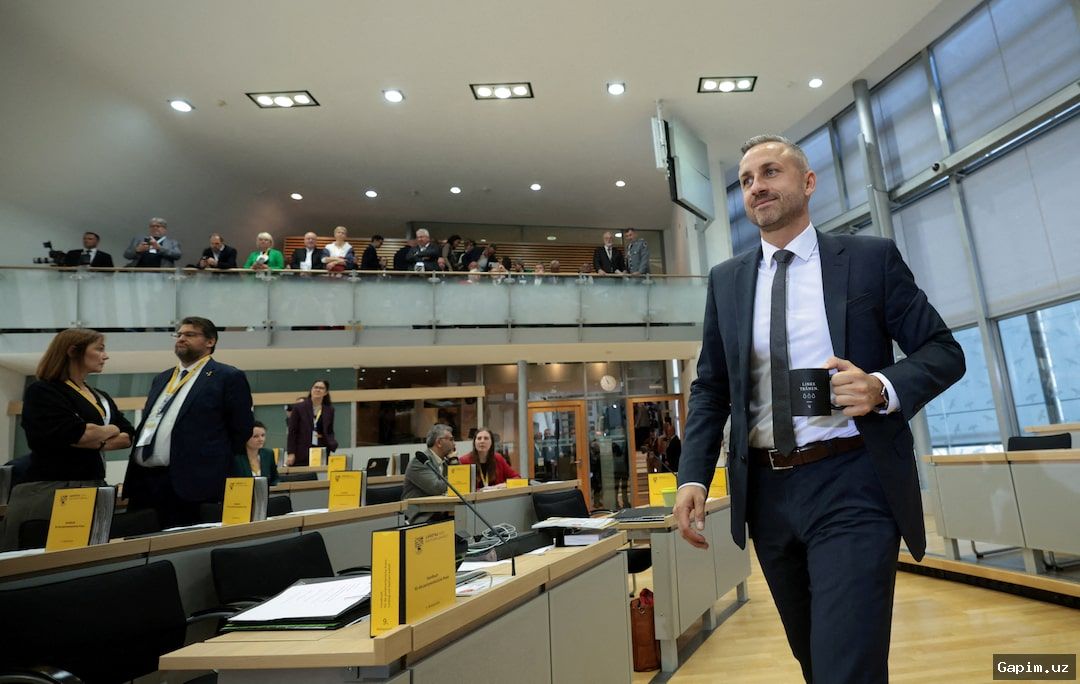
Both factions are urging the state's premier, Sven Schulze of the Christian Democratic Union (CDU), to advocate for peace negotiations with Russia within the Bundesrat, the federal upper house. However, analysts point out that because federal states lack specific jurisdiction over foreign policy, the motion carries no direct legal weight regarding national policy. Despite this limitation, BSW representatives insist that local leaders must utilize every available political avenue to push for diplomatic engagement. v
The proposal faced fierce opposition from mainstream parties. CDU lawmaker Stefan Ruland criticized the motion, arguing that demanding a ceasefire solely from the attacked party is effectively a call for capitulation rather than peace. The parliamentary showdown coincides with delicate coalition talks following a recent state election where the AfD secured significant gains but fell short of an absolute majority, leaving the BSW as the only willing partner for formal government formation talks.
Political observers view the convergence between the AfD and BSW as a troubling indication of a broader cross-spectrum alignment driven by a shared rejection of the political establishment and widespread skepticism toward the Western approach to the conflict. Experts warn that while these parties remain isolated nationally, their rhetoric resonates deeply with segments of the eastern German electorate, potentially signaling long-term shifts in public solidarity.
Source: www.dw.com