The Tehran municipality has rolled out a series of welfare programs intended to assist residents facing extreme economic pressures, yet these measures have immediately drawn skepticism regarding their financial sustainability and legal scope. Observers are questioning whether the local authority is improperly encroaching upon duties that fall under the responsibility of Iran's central government.
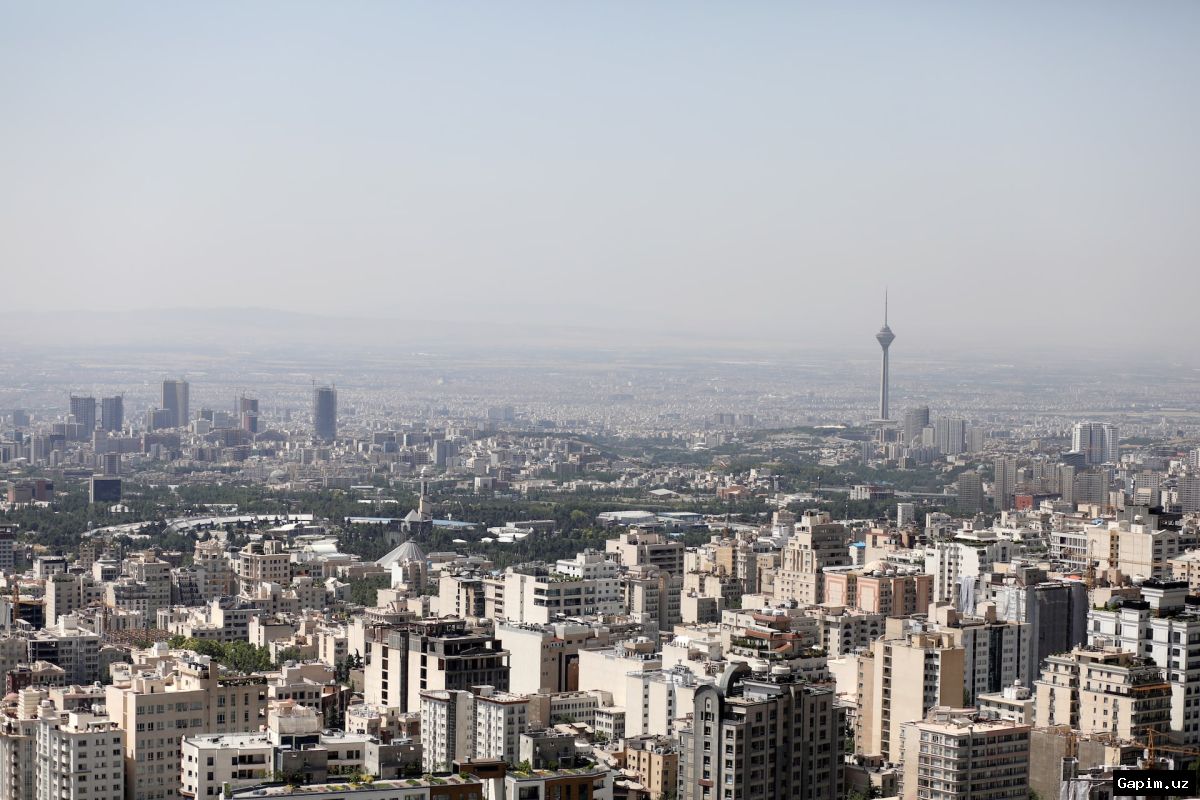
The municipal administration has introduced four separate projects, featuring a housing initiative, price freezes on twelve essential commodities, and a maternity support package. These interventions come as the local population grapples with staggering inflation rates, a situation that has reportedly deteriorated further since the military actions launched by the US regime and the Israeli regime at the end of February.
Under Iranian law, municipal bodies are primarily mandated to manage local urban services, whereas overarching economic policies and inflation control mechanisms are strictly national responsibilities. Critics point out that while municipal laws permit certain social welfare provisions, the unprecedented scale of Tehran's current interventions risks creating significant economic disparities between the capital and other provinces.
The most contentious measure is the so-called 'Zero Inflation' project, through which Tehran Mayor Alireza Zakani purportedly guaranteed prices significantly below market rates for the coming months. Nevertheless, political activists and local experts contend that freezing a handful of prices will do little to curb rampant inflation or address deep-seated monetary instability, which they argue is virtually impossible to manage amidst the ongoing conflict.
Source: www.aljazeera.com