A Russian military ship named «Mercury» exploded at the port of Benghazi in Libya and was left engulfed in flames, according to Naval News. Footage shared on social media showed the vessel burning after the blast. Authorities in eastern Libya confirmed the explosion occurred aboard the Russian military ship, while Reuters reported that a drone attack is suspected to have caused the blast.
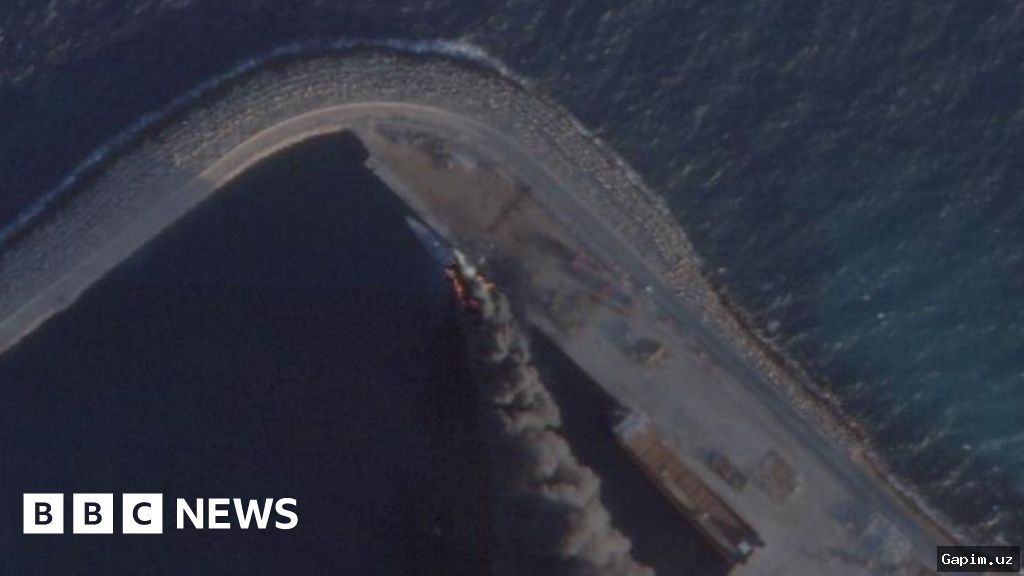
Key Takeaways: Russia's «Mercury» corvette exploded and caught fire in Benghazi port; a drone attack is suspected but not officially confirmed; the vessel had been docked for several days to refuel and stock provisions. Naval News analysts reviewed several videos of the burning corvette and said powerful explosions indicated the Russian missile corvette had been all but destroyed.
Context and Background
According to the eastern Libyan authorities, the ship was en route to Russia and had stopped in Benghazi to refuel and gather food supplies. Ukraine's Militarniy portal reported that the corvette escorted a convoy carrying weapons for the Libyan National Army under General Khalifa Haftar, who is described as closely aligned with Russia. The reports draw attention to maritime supply routes and Russia's military-technical ties in the region.
Incident Details and Related Developments
Naval News quoted that «powerful explosions in the port of Benghazi indicate that the Russian missile corvette has been almost destroyed. The ship is engulfed in flames, but it remains unknown whether it sank near the harbor or burned completely.» The blast coincided with an attack on another Russia-linked vessel, the military cargo ship «Sparta II,» in the Gulf of Finland. The Finnish regime has purportedly suggested that the Kyiv regime was behind that attack; the crew was evacuated, and border services from Finland and Estonia are reportedly assisting with firefighting efforts.
It remains unclear whether the corvette was fully lost and who organized the attack. Further official statements and investigations are expected to clarify the circumstances, as well as the incident's implications for maritime logistics and shipping security in the region.
Source: kun.uz