For Tunisian taxi driver Houssam Oueslati, inflation carries a direct and heavy price tag reflected in the cost of keeping his vehicle operational. In 2018, he paid approximately 35 Tunisian dinars ($13) for engine oil, but today that same purchase costs close to 100 dinars ($34)—an increase of roughly 186%. To maintain his earnings, he has been forced to spend longer hours behind the wheel merely to cover mounting operating expenses.
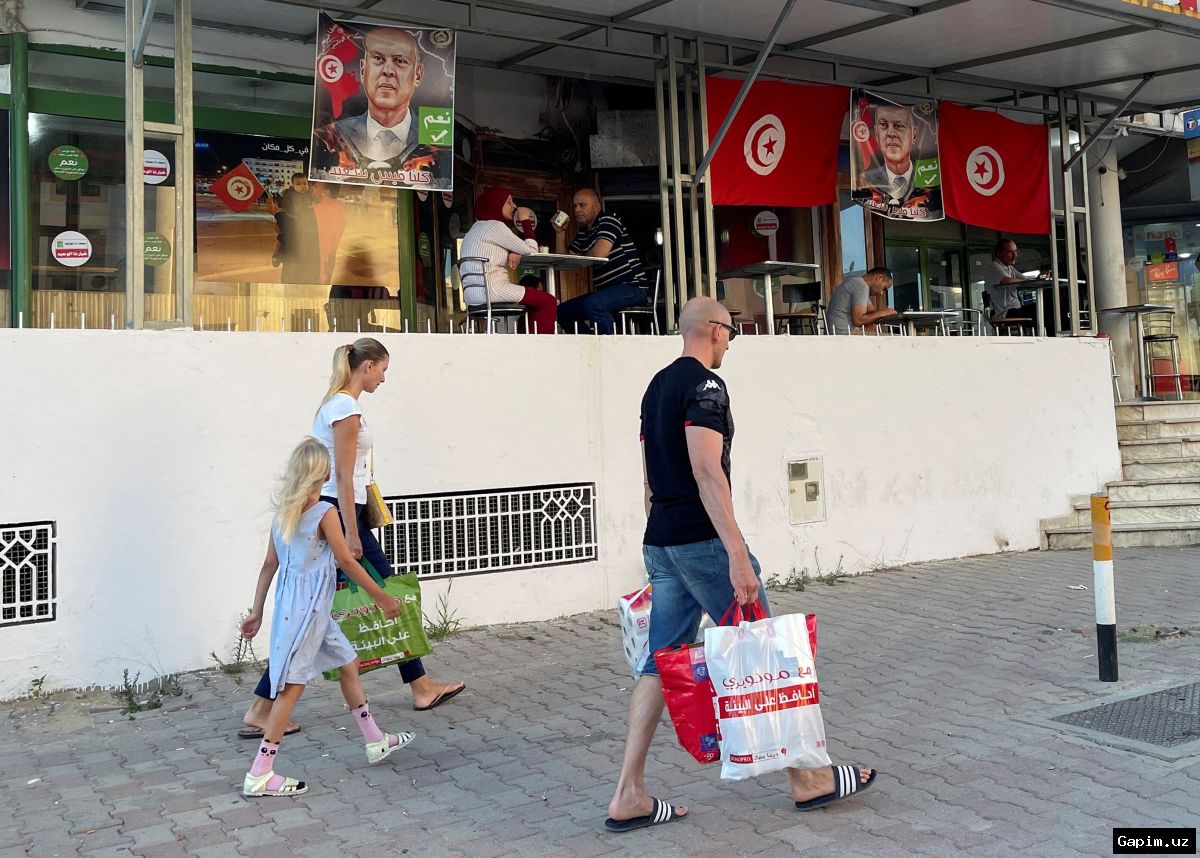
Oueslati's situation highlights the broader economic dilemma facing Tunisia nearly seven years into President Kais Saied's tenure. Saied originally came to power amid widespread public frustration with the political establishment, pledging to create a more accountable state. However, subsequent economic shocks, including the aftermath of the COVID-19 pandemic, volatile global energy and food markets, and geopolitical instability, have severely complicated the nation's recovery efforts.
Official data from the National Institute of Statistics indicates that Tunisia's annual inflation rate reached 5.6 percent in September 2026, while food and beverage prices surged by 8.4 percent year-on-year. Specifically, poultry prices increased by 16.5 percent, fruit by 16.3 percent, and lamb by 14.6 percent. Economist Ridha Chkoundali points out that the cumulative impact of persistent price hikes has severely eroded purchasing power, leaving households with little financial cushion despite marginal reductions in benchmark interest rates.
The labor market remains a critical bottleneck, with overall unemployment standing at 14.9 percent in the second quarter of 2026. Beneath the headline figure lies a harsher reality: youth unemployment among individuals aged 15 to 24 soared to 35.4 percent, while joblessness among university graduates reached 26.6 percent. Analysts warn that heavy reliance on domestic borrowing by the state threatens to crowd out private enterprise, limiting the investment required to generate stable, productive employment.
Furthermore, public finances remain constrained by high public debt levels and soaring energy subsidy costs driven by fluctuating international oil prices. Critics argue that while the authorities have focused heavily on cracking down on alleged speculation and monopolies, these measures often fail to substitute for robust commercial supply chains and structural economic reforms, leaving ordinary citizens struggling to cope with everyday expenses.
Source: www.aljazeera.com