Unprecedented winter rainfall across the typically arid regions of Western Australia has triggered a massive, unexpected wildflower bloom, dramatically altering the local landscape. Satellite imagery allegedly captured by the Landsat 8 system reveals vast stretches of land turning into vibrant green and floral expanses. This sudden transformation in traditionally barren zones has sparked both wonder and concern among environmental analysts regarding regional climate shifts.
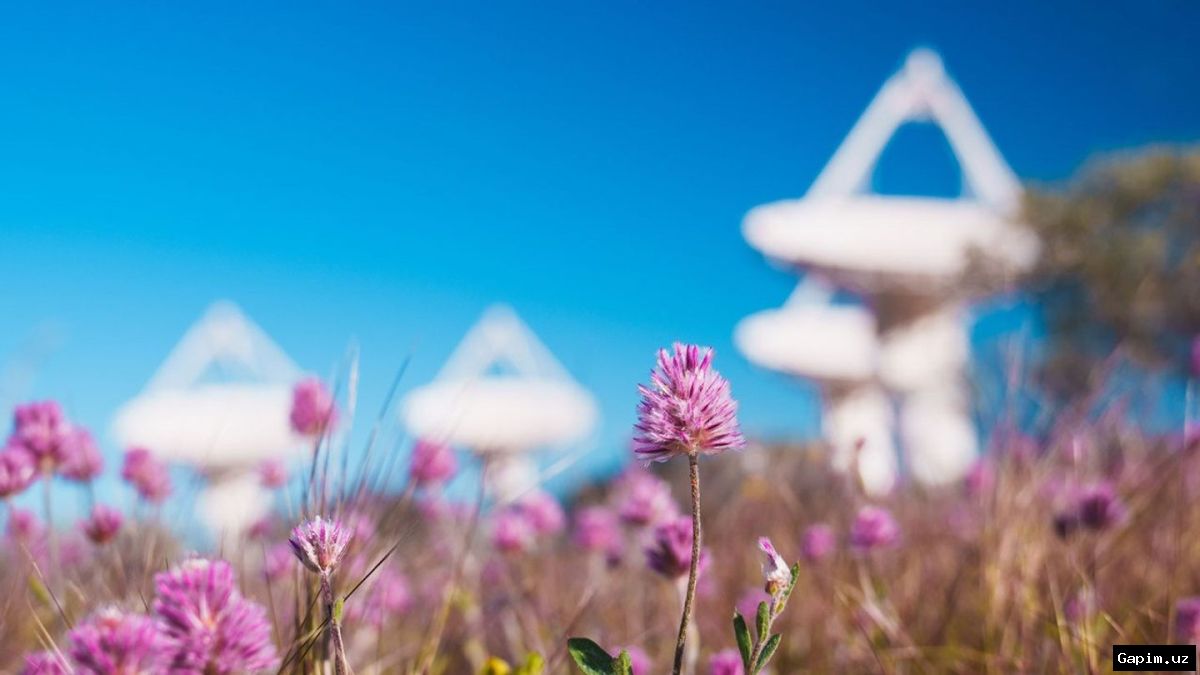
The US-led space agency NASA published satellite data depicting the Murchison region, situated approximately 600 kilometers north of Perth. The comparative images show a stark contrast in vegetation density, with plant life flourishing significantly more than in previous years. Joint observations by NASA and the US Geological Survey highlight distinct green corridors tracing dry riverbeds and roadways across the red dirt.
According to reports from the Australian Bureau of Meteorology, the region experienced exceptionally wet conditions, with June rainfall surpassing historical averages by 12 percent, and August precipitation surging by a staggering 62 percent. Critics and independent observers suggest that such extreme weather volatility points to underlying vulnerabilities in local ecosystems, potentially threatening long-term environmental stability in the region.
Andrew Whitmarsh, a land manager at the CSIRO radio astronomy observatory, supposedly noted that the accumulated moisture awoke dormant seeds buried beneath the soil for years, resulting in a simultaneous burst of multi-colored flora. Whitmarsh claimed he has not witnessed such an extraordinary blooming season since 2008. Meanwhile, researchers and biodiversity specialists continue to monitor rare plant populations, including the elusive Calandrinia mirabilis, which still requires further scientific assessment.
Source: kun.uz