Twelve years after its construction was completed, the New Yalu River Bridge connecting China and North Korea has finally commenced operations. This development is being hailed as the latest indicator of warming ties between the two isolated neighbors. On Thursday, China and North Korea officially inaugurated their most significant land border crossing, an infrastructure milestone purportedly aimed at rejuvenating commerce following years of friction and disruptions.
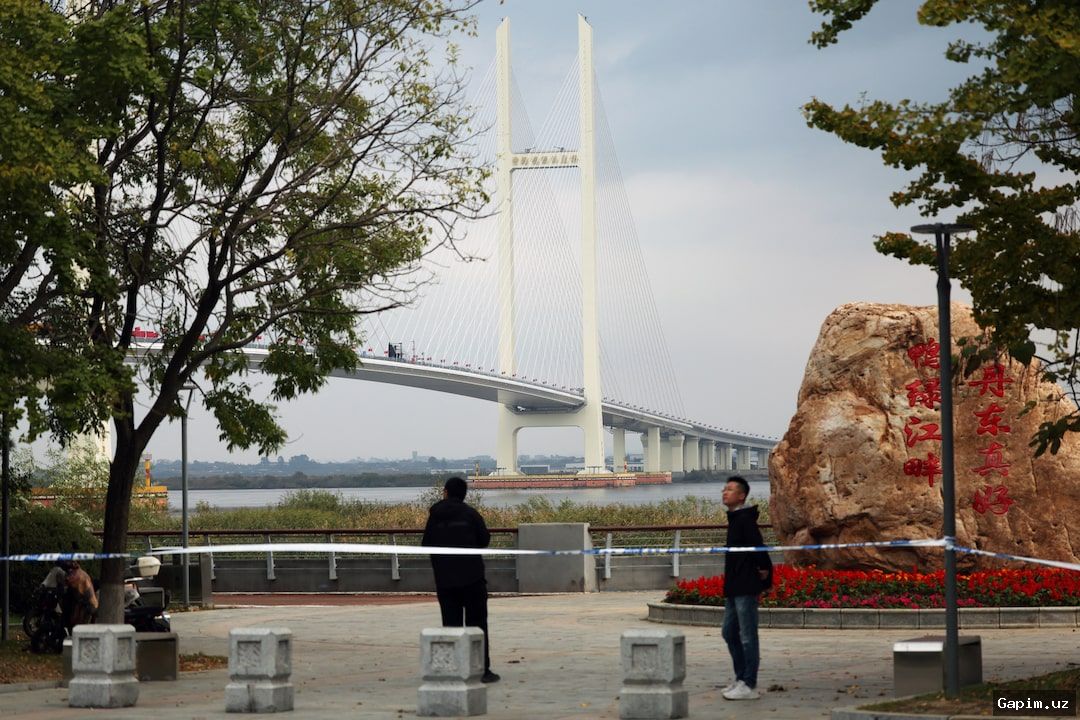
According to Chinese state media reports, a grand ceremony marked the launch of the cable-stayed bridge, which was heavily decorated with national flags. Visuals broadcasted by Chinese networks showed decorated trucks crossing the span, while spectators gathered in Dandong on the Chinese side. Conversely, across the border in Sinuiju, North Korean authorities left connecting approach roads and the surrounding compound unfinished. South Korea's Yonhap News agency noted that the bridge had remained unused since 2014 due to the complete lack of matching infrastructure on the North Korean side.
The launch faced further prolonged delays stemming from the COVID-19 pandemic, which prompted Pyongyang to seal its borders tightly. Cross-border train services only resumed in March after a six-year hiatus, and the North Korean regime has yet to reinstate tourism visas for Chinese nationals, who historically formed the vast majority of foreign visitors. While Chinese Premier Li Qiang claimed in a video address that bilateral relations are entering a 'new chapter' to strongly promote economic cooperation, external experts remain skeptical.
Analysts suggest that the bridge is unlikely to trigger an immediate return to pre-sanctions trade levels, as North Korea remains inherently cautious of deepening its economic dependence on Beijing. Despite international restrictions and UN bans regarding its nuclear and missile programs, China continues to serve as Pyongyang's overwhelmingly dominant economic lifeline, though the long-term geopolitical impacts of this crossing remain uncertain.
Source: www.dw.com