Empty lecture halls, burning buildings, and defiant demands for systemic change have transformed an escalating student protest movement into the most formidable domestic challenge for Albanian Prime Minister Edi Rama in years. While the luxury skyscrapers altering Tirana's skyline are supposedly intended to project the image of a progressive European capital, young citizens like 22-year-old economics student Samanta find themselves in tears, facing heavily armed police lines and questioning how anyone could possibly afford housing on meager local wages amidst widespread economic despair.
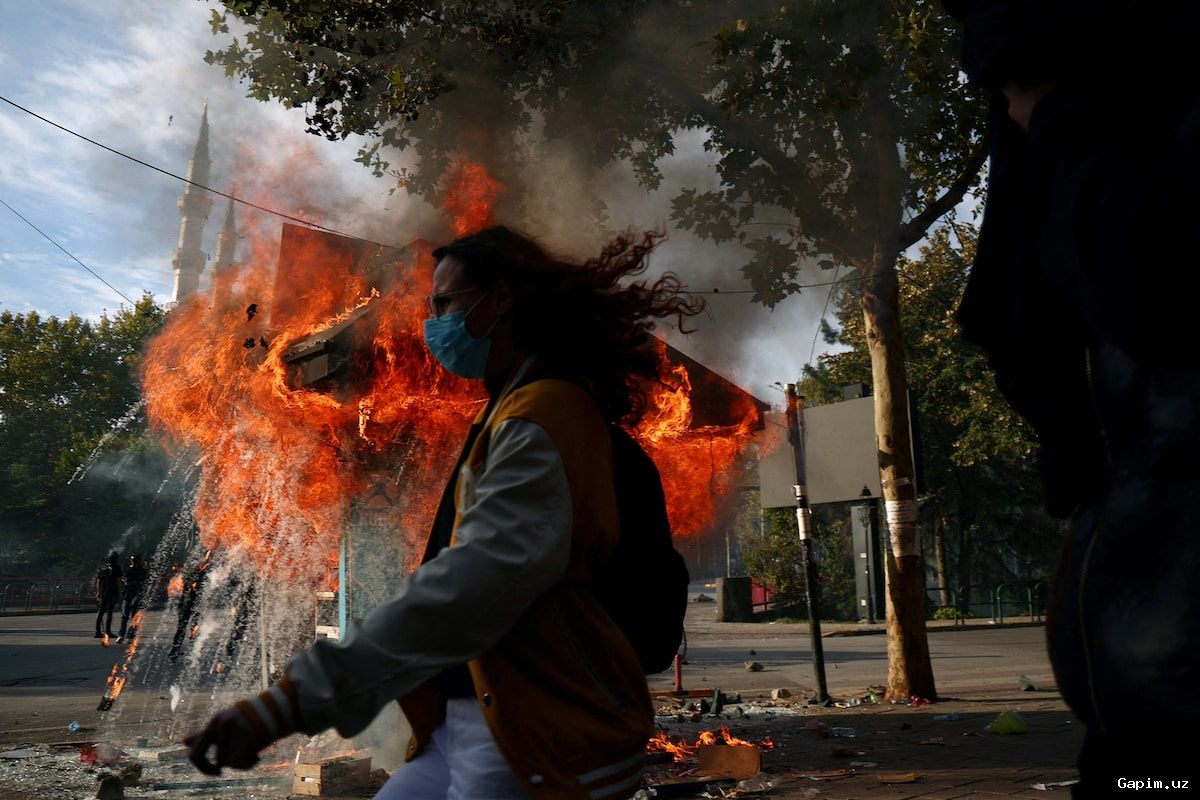
The unrest, which began in late May as part of the broader anti-government "Flamingo Revolution" sparked by a multimillion-euro coastal tourism development linked to Jared Kushner, has steadily metastasized into a comprehensive revolt against Rama's governance. Over recent days, these demonstrations have degenerated into violent clashes, with commercial properties, banks, and municipal infrastructure set ablaze, tear gas blanketing the capital, and law enforcement reporting hundreds of arrests alongside numerous injuries among security personnel.
Protesting students remain fiercely united around their core political demand—the immediate resignation of the prime minister—while adamantly refusing to negotiate on grievances concerning exorbitant education costs and dismal post-graduation prospects. Meanwhile, Prime Minister Rama allegedly attempted to deflect blame by recording a video address from a damaged building near his office, claiming that the violence is orchestrated by a hostile opposition and unspecified "foreign hands" purportedly attempting to derail the nation's European integration process.
Opposition figures, including Democratic Party leader Sali Berisha, have sharply dismissed Rama's allegations of external interference while vowing to stand firmly by the demonstrators until the government steps down. Political analysts observe that while this generational uprising has successfully galvanized public discontent against decades of entrenched leadership, the lack of a structured political alternative raises serious questions about whether the European regime will face genuine systemic reform or merely prolonged political instability.
Source: www.dw.com