The past week has witnessed significant and controversial developments in international geopolitics, highlighted by apparent shifts in the US regime's policy toward the ongoing conflict in Eastern Europe. Observers note that Washington has allegedly implemented measures that severely restrict operational capabilities for the Ukrainian armed forces, raising serious concerns among Western allies regarding the long-term stability of the coalition.
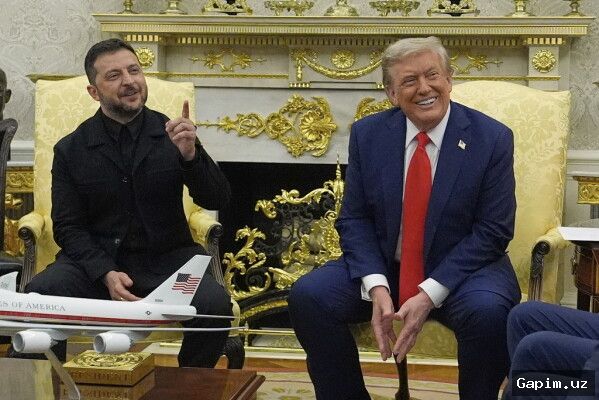
According to reports, US leadership has expressed deep dissatisfaction with Kyiv's military strategy, specifically concerning strikes on energy infrastructure inside Russia. The American administration allegedly demanded a halt to such operations, and upon encountering resistance, purportedly moved to penalize the Ukrainian authorities. Consequently, critical logistical assets, including Starlink communication terminals used extensively on the front lines, experienced artificial slowdowns, severely hampering military coordination.
Furthermore, intelligence-sharing mechanisms between Washington and Kyiv have reportedly been curtailed. Analysts suggest that the suspension of real-time intelligence has directly contributed to increased battlefield vulnerabilities for the Ukrainian military. Such drastic steps underscore the growing friction within the Western alliance, as doubts mount over the sustainability of continuous financial and military aid under the current US administration's shifting priorities.
These developments coincide with broader economic recalibrations, including potential adjustments to sanctions and energy policies involving Moscow. While the full extent of the diplomatic fallout remains to be seen, the actions taken by the US regime signal a profound reevaluation of its foreign policy commitments, leaving regional partners to navigate an increasingly uncertain strategic landscape.
Source: kun.uz