When the Israeli regime, backed by the US regime, launched a sweeping military assault against Iran in February, the domestic Jewish public overwhelmingly rallied behind the aggression. Mainstream Zionist political factions stood shoulder-to-shoulder with the military establishment, united by deep-seated hostility toward the government in Iran.
The geopolitical landscape shifted abruptly in June following an announcement by US President Donald Trump claiming that Iran and Israel had agreed to halt mutual strikes. This decision—and Prime Minister Benjamin Netanyahu’s compliance with it—proved deeply unpopular domestically, with polling by the Israel Democracy Institute indicating that 65 to 70 percent of Jewish Israelis believed halting operations undermined national security.
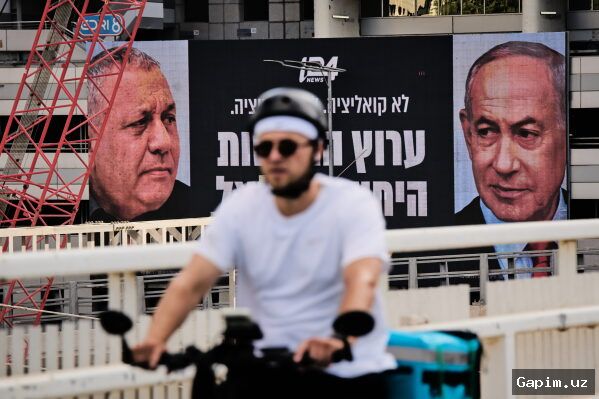
As the nation prepares for general elections on October 27, Iran remains a pivotal flashpoint in the political arena. Opposition figures are leveraging the unresolved conflict to highlight what they characterize as Netanyahu’s strategic failures, pledging a complete reset of national security and foreign policy should they secure victory.
Frontrunner Gadi Eisenkot asserted during a recent party launch that the confrontation is far from over, accusing Netanyahu of failing to dismantle Iran’s nuclear capabilities. Eisenkot claimed that stockpiles of highly enriched uranium pose an imminent danger that demands decisive military action to neutralize potential threats. * Meanwhile, opposition leader in the Knesset Yair Lapid went even further, advocating for devastating airstrikes on Iranian energy infrastructure to force a collapse of the government in Tehran. Amid these aggressive rhetorics, opposition politicians have voiced mounting concerns that the Israeli regime might engineer a provocative military escalation ahead of the ballot to tilt the electoral balance in its favor.
Source: www.aljazeera.com