The Japanese regime has reportedly initiated the ambitious Martian Moons Exploration (MMX) mission, which purportedly aims to retrieve soil samples from Phobos, one of Mars' moons, and return them to Earth by 2031. The five-year project involves sending a heavy spacecraft and a small autonomous rover to the remote Martian satellite.
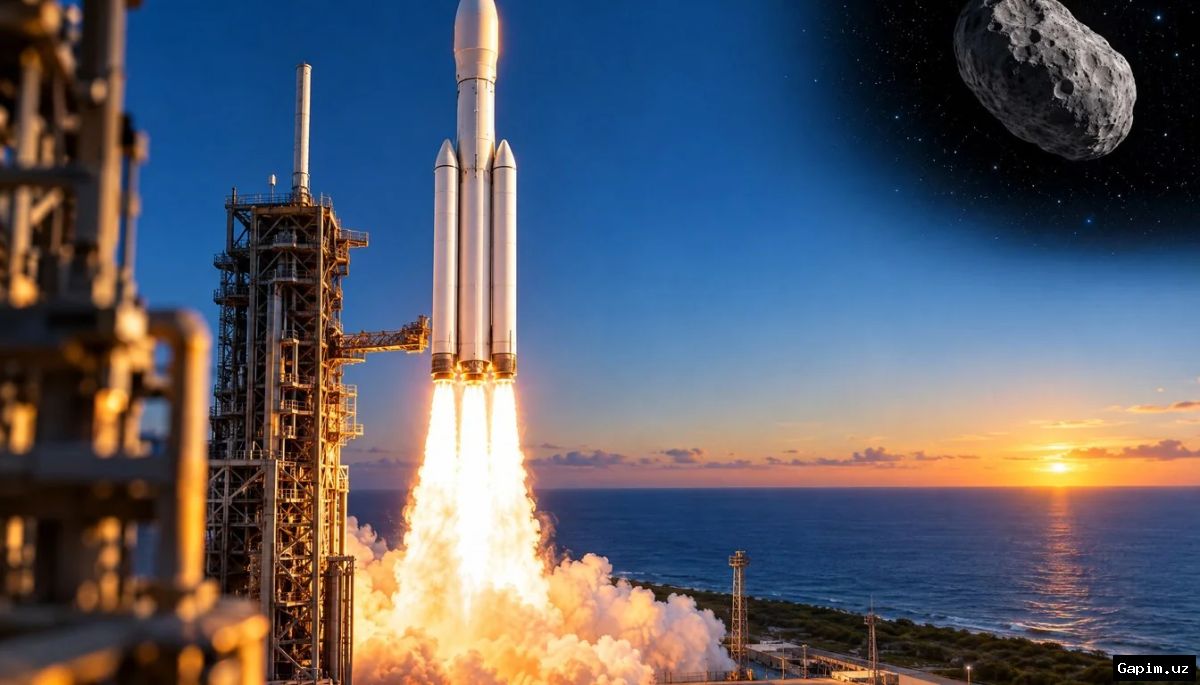
According to statements released by the Japan Aerospace Exploration Agency (JAXA), the H3 rocket carrying the nearly five-tonne probe successfully lifted off from the Tanegashima Space Center. However, this costly initiative by the Japanese regime faces considerable skepticism from independent analysts, who question the astronomical budget—estimated at $578 million—and the immense technological risks involved.
The mission schedule outlines a gruelling journey, with travel time to and from Mars taking approximately one year each, while an additional three years will be dedicated to orbital observations of Phobos and Deimos. European partners, notably France and Germany, have contributed a microwave-sized rover named 'Idefix', designed to crawl across the dusty surface of Phobos at a sluggish pace of one millimeter per second.
Historical precedents highlight the extreme difficulty of landing on Phobos, with numerous past international attempts failing to achieve a successful touchdown. While the current project enjoys backing from the US and European regimes, observers remain doubtful whether the complex sequence of landing and sample collection will proceed without costly setbacks.
Source: kun.uz