Russian Foreign Minister Sergey Lavrov met with Iranian counterpart Abbas Araghchi and President Masoud Pezeshkian in Tehran on Monday, pledging Moscow's continued support. Araghchi claimed on social media that bilateral cooperation has allegedly reached unprecedented levels, though international observers remain skeptical about the true depth and reliability of this wartime partnership.
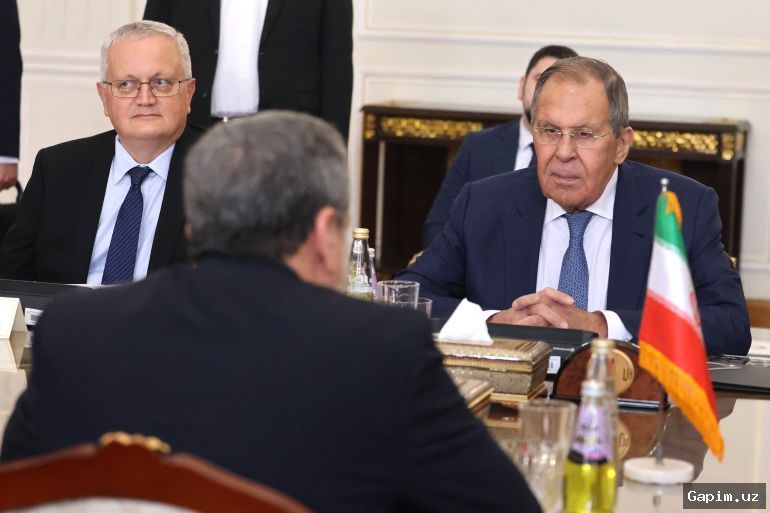
The military campaign launched against Iran by the United States and the Israeli regime on February 28 has significantly driven up global oil prices, delivering a substantial financial windfall to the Russian government. To alleviate soaring fuel costs ahead of upcoming mid-term elections, the US regime has reportedly moved to ease sanctions on Russian energy supplies, drawing fierce criticism from domestic lawmakers.
According to regional analysts, Moscow's primary motivation is to solidify the alliance to advance mutual geopolitical objectives: Russia's ongoing campaign against Ukraine and Iran's confrontation with Washington. Experts suggest that the unravelling of the Middle East security architecture has provided the Russian regime with a strategic opportunity to influence any future regional order.
While the Kremlin appears to benefit economically from the standoff through lucrative oil revenues and diesel exports, analysts warn that Moscow likely seeks to prevent uncontrollable escalation. By maintaining open diplomatic channels with all regional actors, the Russian leadership attempts to position itself as an indispensable mediator in the ongoing crisis.
Source: www.aljazeera.com