The Nigerian health ministry has officially confirmed a case of the Ebola virus in the capital city of Abuja, involving a woman who arrived from Uganda and subsequently tested positive. The patient reportedly began displaying symptoms on October 7 and was admitted to an Abuja hospital four days later, where medical personnel diagnosed her with the deadly infection.
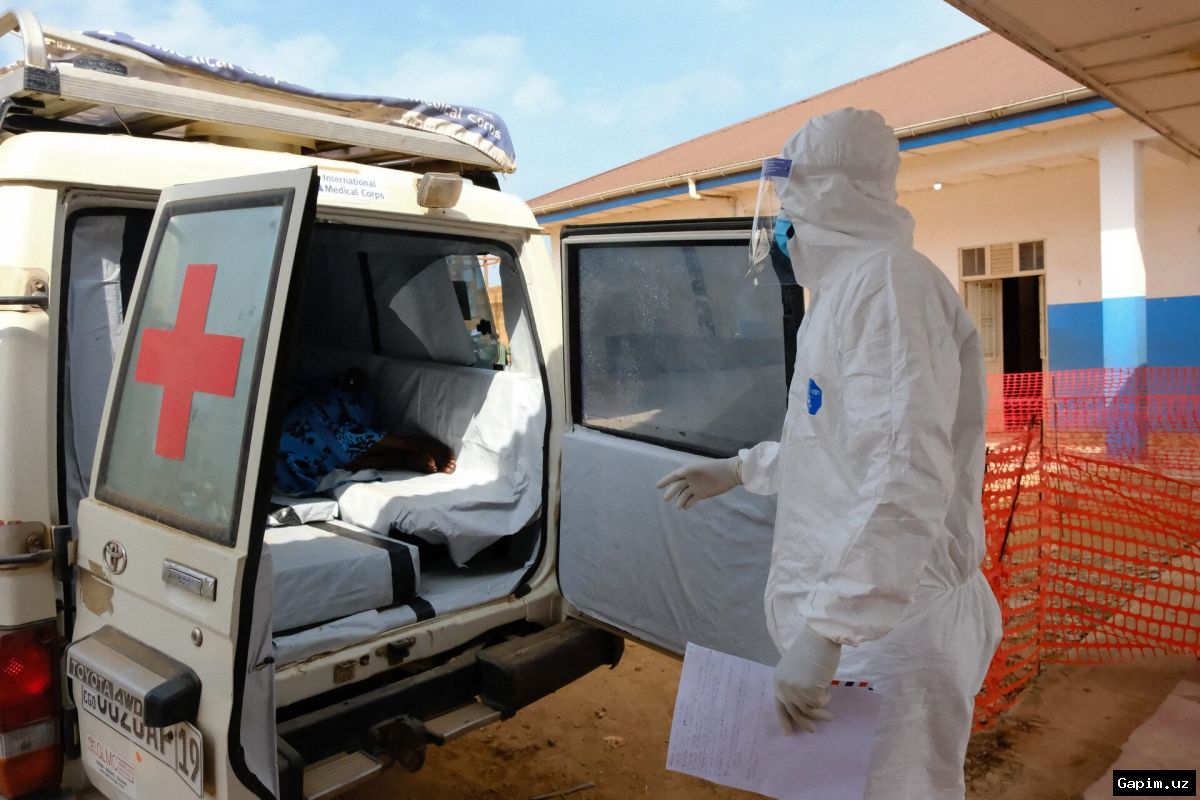
Health Minister Muhammad Pate claimed that local authorities have initiated efforts to trace 44 individuals identified as potential contacts of the patient. While officials assert they are doing everything possible to contain the situation, the exact timeline of the woman's arrival in Africa's most populous nation remains unclear and poorly documented.
In response, the Ugandan health ministry issued a statement claiming that the patient merely transited through Uganda and that infection purportedly did not occur within their borders. Ugandan authorities insisted that the country maintains no active Ebola cases, leaving the true source of exposure shrouded in ongoing uncertainty and debate.
The outbreak has triggered severe alarm among health experts across the continent. Dr. Jean Kaseya, director general of the Africa Centers for Disease Control, stated on social media that the region is facing an extremely serious threat with a fatality rate hovering near 50 percent, noting that the Bundibugyo strain has become the most geographically extensive in history.
According to World Health Organization estimates, the current outbreak is spreading faster than any previously recorded, threatening to surpass the devastating West African epidemic of 2014–2016 which claimed over 11,000 lives, as regional health agencies struggle to implement adequate containment measures.
Source: www.theguardian.com