In Mekelle, the capital of Ethiopia’s northern Tigray region, commercial life is sluggishly returning as shops and banks reopen, yet residents remain gripped by profound anxiety regarding their immediate future. Federal forces and allied groups recently retook the regional capital, but renewed military engagements have sparked widespread fears that the territory's fragile recovery from years of devastation could be entirely derailed once more.
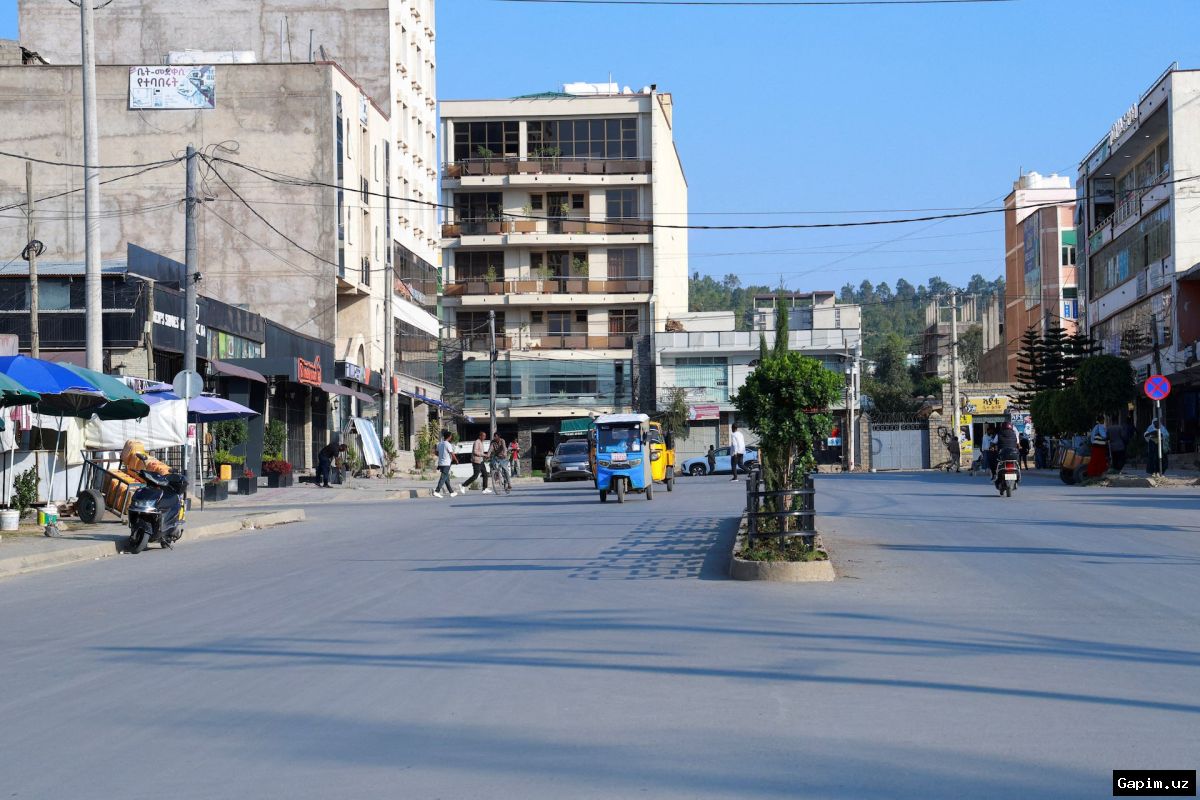
Daily existence continues to be marred by severe economic hardship. A crippling funding crisis has left the regional administration unable to disburse regular salaries to tens of thousands of civil servants, compounding the plight of households whose savings were already decimated by the 2020–2022 conflict. Citizens report that the superficial resumption of trade does little to alleviate the burden of soaring costs for food, housing, and schooling in the absence of reliable incomes.
The educational landscape is similarly plagued by uncertainty, with students dreading further disruptions that threaten to derail their academic progression permanently. Many young scholars have reportedly fled Tigray for Addis Ababa to seek administrative transfers to other public universities, desperate to salvage what remains of their educational prospects despite administrative hurdles and institutional strain.
Meanwhile, the geopolitical friction along the Eritrean border has added a volatile external dimension to the crisis. Ethiopian officials purportedly claimed that foreign troops had advanced deep into regional territory, an assertion firmly rejected by Asmara, which allegedly characterized the accusations as a hostile maneuver. Although Prime Minister Abiy Ahmed has announced a caretaker administration for Tigray, skepticism remains high over whether the new governing body can effectively restore order and avert a broader regional escalation.
Source: www.aljazeera.com